
Plants
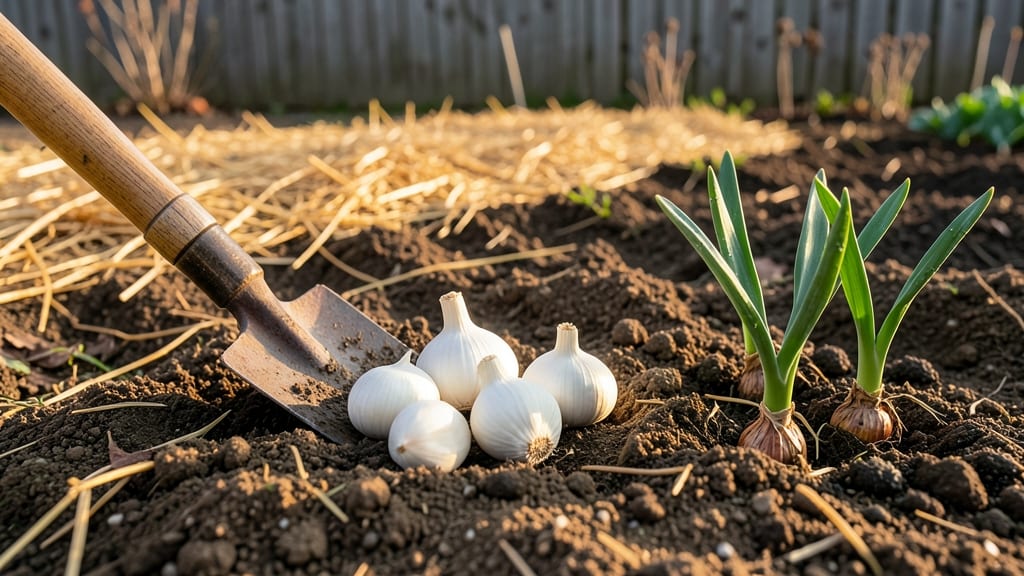
If you’ve ever planted garlic in Zone 6 and ended up with puny bulbs instead of plump, flavorful harvests, timing is likely the culprit. The right window—just 4-6 weeks before the ground freezes—makes all the difference between a stellar crop and disappointment.
Here’s the secret: in Zone 6’s chilly climate, planting 🧄 garlic in late fall (October–November) lets it establish roots before winter dormancy, then grow strong shoots when spring arrives. Skip this window, and you risk weak growth, bolting, or even rot from soggy soil.
Whether you’re a first-time gardener or a seasoned grower, I’ll break down the exact months to plant, how to adjust for early/late frosts, and which Zone 6-friendly varieties thrive best. Let’s get those bulbs off to the perfect start!
No more guesswork—just science-backed timing to ensure your garlic harvest is the best it can be. Ready to dig in?
Best planting months for garlic in Zone 6 (with exact timing)
Garlic thrives in Zone 6's cold winters and needs precise timing to develop plump bulbs. Planting too early or late can lead to weak growth or even failure. The ideal window is October to November, when soil temps drop below 70°F but before hard frost.
This timing ensures garlic overwinters properly and resumes growth in spring. Hardneck varieties (like Rocky Mountain) perform best in Zone 6, while softneck types (like Silverskin) may struggle with extreme cold. Let’s break down the exact months and what to watch for.
| Month | Soil Temp | Planting Window | Notes |
|---|---|---|---|
| September | 60-70°F | Early start (if mild) | Risk of bolting if too warm |
| October | 50-60°F | Prime time (4-6 weeks before frost) | Best for hardneck varieties |
| November | 40-50°F | Last chance (before ground freezes) | Use mulch to protect cloves |
| December | Below 40°F | Too late (unless mild winter) | Risk of rot or poor growth |
In Zone 6, aim to plant garlic 4-6 weeks before the first hard frost, typically around mid-October. For example, if your average first frost is November 15th, plant by October 15th. This gives the cloves time to establish roots before winter dormancy.
If you miss the fall window, you can try a spring planting (March-April), but bulbs will be smaller and less flavorful. Spring-planted garlic often bolts (sends up a flower stalk) due to longer daylight hours in Zone 6 summers.
For hardneck varieties, fall planting is critical—they need cold exposure to form scape stalks (the curly shoots) and develop large cloves. Softneck varieties, like Artichoke, tolerate slightly warmer soils but still prefer fall planting in Zone 6.
Pro tip: Use a soil thermometer to confirm temps are below 70°F before planting. If soil is too warm, garlic may sprout too early and get damaged by frost. Mulch with straw or leaves after planting to insulate cloves through winter.
In Zone 6a (colder end of the zone), plant garlic earlier in October to avoid early frosts. In Zone 6b (warmer end), you can extend planting into early November if soil stays workable.
Remember: Garlic planted in fall will harvest in late July or August of the following year. The longer it overwinters, the larger the bulbs will grow—so don’t rush the process!
Best planting months for garlic in Zone 6 (with exact timing)
In Zone 6, the ideal window for planting garlic is late October to mid-November, when soil temperatures drop below 70°F but before the ground freezes. This timing lets the cloves establish roots before winter dormancy, ensuring strong bulb development by harvest season.
For hardneck varieties (like Rocky Mountain or German Red), this window is critical—they need cold exposure to form scape stalks and develop flavorful bulbs. Softneck varieties (such as Artichoke) are slightly more flexible but still thrive best with this timing.
Here’s the golden rule: plant 4-6 weeks before your first hard frost. In Zone 6, this is typically mid-October to early November, but check your local last frost date for precision.
For example, in Chicago, aim for October 15–November 1, while Denver might lean toward November 1–15.
If you miss the ideal window, you can still plant in early December, but expect smaller bulbs or even bolting (premature flowering). For a spring harvest, some gardeners plant in February, but this method yields less flavorful bulbs and is less reliable in Zone 6’s climate.
Pro tip: Use a soil thermometer to confirm temperatures are below 70°F before planting. This ensures cloves won’t sprout too early and rot in cold, wet soil. Well-draining soil is non-negotiable—garlic hates soggy conditions!
Once planted, mulch with straw or leaves to insulate the soil and protect cloves from extreme cold. By spring, you’ll see vigorous green shoots—a sure sign your timing was spot-on!