
Companion Plants
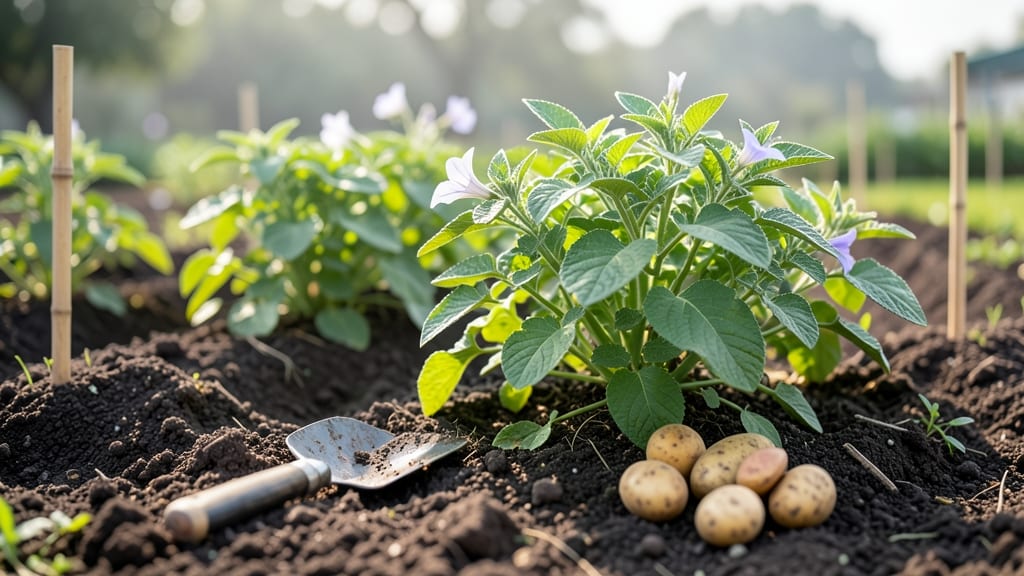
Knowing when to plant potatoes in Zone 7 is the secret to avoiding blight, stunted growth, or even total crop failure. With just a few weeks difference, you could be staring at a garden full of flourishing 🥔 plants or pulling up sad, underdeveloped tubers.
In Zone 7, where last frost typically hits around March 15, timing matters more than you might think. Plant too early, and cold soil can stunt your potatoes before they even sprout.
Too late, and you risk missing the sweet spot for a full harvest before summer heat sets in.
I’ll break down exactly when to plant for both early and late varieties, how to adjust for your specific soil conditions, and what to watch for to ensure your potatoes thrive. Whether you’re a first-time gardener or a seasoned pro, these tips will help you maximize your yield.
From soil temperature checks to frost protection strategies, you’ll learn the most important steps to turn your potato patch into a productive powerhouse. Let’s get started—your harvest depends on it!
Zone 7 potato planting calendar: exact weeks before last frost for success
In Zone 7, potatoes thrive when planted at the right time—typically 4-6 weeks before your last frost date, which usually falls around March 15. This means your ideal window is late February to early March for most varieties.
Early planting risks frost damage, while late planting delays harvests and invites potato blight as summer humidity rises.
Potatoes are cool-season crops, so they prefer soil temperatures between 45°F and 75°F.
If you plant too early, tubers may rot in cold soil; too late, and you’ll miss the 90-day growth window needed for a full harvest. Zone 7’s frost-free season lasts about 180 days, giving you flexibility for both early and late varieties.
🌱 Did You Know? Some gardeners in Zone 7 also plant a second crop in late June for a fall harvest, but this requires fast-maturing varieties like 'Red Norland' or 'Yukon Gold'.
For Zone 7 gardeners, I recommend starting with early varieties like 'Yukon Gold' or 'Red LaSoda' in late February. These tolerate cooler soils and produce tubers quickly.
If you’re unsure about frost dates, use a soil thermometer—plant when temps hit 45°F consistently for 5 days. This ensures roots establish before warmth triggers rapid growth.
Another pro tip: Use black plastic mulch to warm soil faster in early spring. This can shave off 1-2 weeks from your planting timeline, giving you an earlier harvest. Just remove it once soil temps exceed 75°F to prevent overheating.
If you’re planting seed potatoes (not sprouted), chill them in the fridge for 4-6 weeks before planting. This mimics winter dormancy and encourages stronger sprouts. Cut larger seed potatoes into 2-inch chunks with at least 2 eyes each, then let them cure for 24 hours to prevent rot.
In Zone 7’s heat, potatoes planted after April 15 risk scab disease or poor tuber formation. To extend your harvest, try hill soil around stems every 2-3 weeks to encourage more tuber development. This also protects new growth from late frost and keeps tubers cooler.
For organic gardeners, add composted manure or worm castings to planting holes for extra nutrients. Avoid fresh manure—it can burn roots and attract pests. Instead, mix in bone meal (for phosphorus) to boost tuber growth.
Finally, mark your planting dates on a garden calendar to track progress. In Zone 7, potatoes planted in late February typically harvest by mid-June, while those planted in early April may not be ready until late July. Plan accordingly to avoid overcrowded storage!
🌱 Ready to dig in? Grab your seed potatoes, test your soil, and set your calendar—your Zone 7 harvest awaits!
Zone 7 potato planting calendar: exact weeks before last frost for success
In Zone 7, your potato planting window is narrow but critical—aim for 2-4 weeks before your last frost date, which typically falls around March 15. This timing ensures your seed potatoes sprout before soil temperatures dip below 45°F (7°C), which can delay or prevent germination.
For early varieties like 'Yukon Gold' or 'Red Norland', plant in late January to early February to harvest by summer. Late varieties such as 'Russet Burbank' need a longer growing season, so plant them in late February to early March for a fall harvest.
🌱 Pro Tip: Use a soil thermometer to confirm temperatures are consistently above 45°F before planting. Cold soil slows growth and increases disease risk.
📅 Zone 7 Potato Planting Timeline
| Variety Type | Planting Window | Days to Harvest | Harvest Month |
|---|---|---|---|
| Early (e.g., 'Yukon Gold') | Late January - Early February | 60-90 days | June - Early July |
| Mid-Season (e.g., 'Kennebec') | Early February - Mid-February | 90-110 days | July - August |
| Late (e.g., 'Russet Burbank') | Late February - Early March | 110-120 days | August - September |
⚠️ Warning: Planting after March 15 risks summer heat stress, which can cause tuber deformities or early blight.
If you’re unsure about your last frost date, check local Almanac records or use a frost calendar app. Many Zone 7 gardeners also plant a second crop in late spring (May) for a fall harvest, but this requires fast-maturing varieties like 'Red LaSoda'.
For cold-hardy varieties such as 'Kennebec' or 'Chippewa', you can even start in December under protective row covers. These varieties tolerate light frosts and sprout faster in cooler soil.
💧 Key Reminder: After planting, keep soil moist but not soggy—potatoes need 1-2 inches of water weekly to develop properly. Mulch with straw to retain moisture and regulate soil temperature.