
Companion Plants
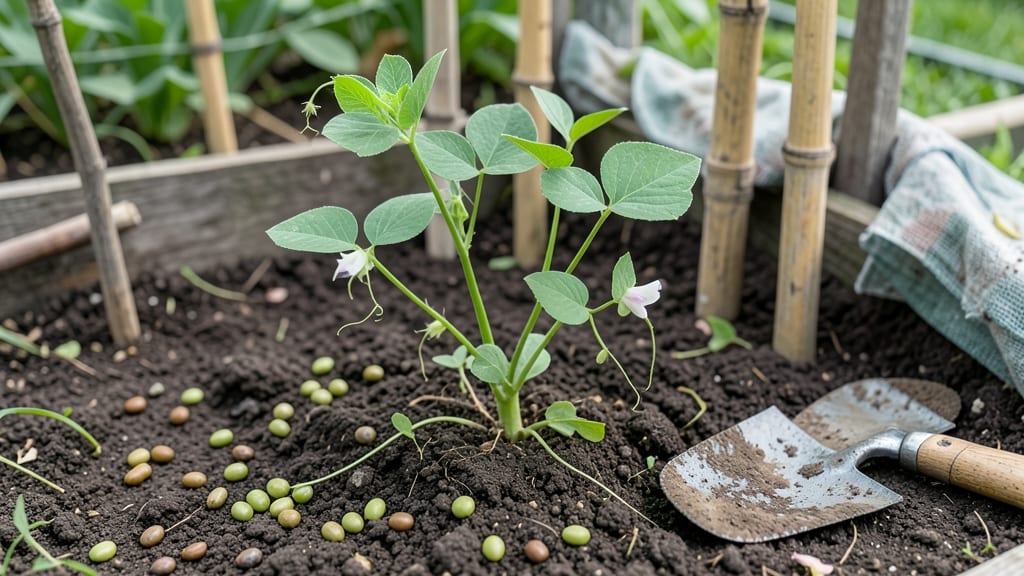
If you're wondering when can I plant peas in Zone 5, timing is everything—get it wrong, and you'll either lose your crop to frost or miss the sweetest harvests of the season.
Zone 5’s unpredictable climate makes peas a perfect early spring crop, but those 4-6 weeks before last frost can feel like a moving target. The good news?
With the right schedule, you can enjoy fresh peas from May through June—or even stretch your harvest into fall with a late summer planting.
I’ll break down the exact planting windows for shelling, snow, and snap peas, plus pro tips to beat Zone 5’s short growing season. Whether you’re a first-time gardener or a seasoned green thumb, these strategies will help you avoid common mistakes and maximize your yield.
Ready to turn your garden into a pea patch? Let’s dive into the science-backed timeline that works for Zone 5a-5b—no guesswork required.
Zone 5 pea planting timeline: exact weeks before last frost by variety type
Peas are frost-hardy champions, but even they need the right timing in Zone 5. The key is planting 4-6 weeks before your last frost date—typically between March 15 and April 15—when soil temperatures hit 40°F (4°C).
This gives seedlings time to establish before spring frosts (common until April 15) can damage tender growth.
Zone 5’s average last frost date falls between April 15 and May 15, but microclimates matter. If you’re in northern Zone 5 (5a), aim for early March plantings under row covers.
Southern Zone 5 (5b) gardeners can wait until late March for safer results. Always check your local USDA frost calendar—it’s your planting GPS!
Not all peas are created equal. Shelling peas (like Green Arrow) are the most cold-tolerant, while snow peas (e.g., Oregon Sugar Pod) and snap peas (e.g., Sugar Snap) need slightly warmer soil (50°F/10°C) to thrive. Your variety choice dictates your planting window!
Here’s the exact science behind Zone 5 pea planting: Pea seeds germinate best between 40°F–85°F (4°C–29°C), but below 50°F (10°C) slows growth. If nighttime temps dip below 32°F (0°C), use row covers or cloches to protect seedlings.
Pro tip: Plant 1 inch deep—deeper buries seeds too close to frost.
| Variety Type | Cold Hardiness | Ideal Planting Window | Days to Harvest | Zone 5 Notes |
|---|---|---|---|---|
| Shelling Peas (e.g., Green Arrow) | ❄️❄️❄️❄️❄️ (Hardy to 20°F) | March 15–April 1 | 55–65 days | Plant earliest for May harvests. |
| Snap Peas (e.g., Sugar Snap) | ❄️❄️❄️ (Hardy to 28°F) | March 25–April 10 | 60–70 days | Wait until soil warms to 50°F. |
| Snow Peas (e.g., Oregon Sugar Pod) | ❄️❄️ (Hardy to 32°F) | April 1–April 15 | 60–75 days | Needs warmer soil; use black plastic mulch. |
| All Varieties (Fall Planting) | ❄️❄️❄️ (Hardy to 20°F) | July 15–August 15 | 55–65 days | Plant 60–70 days before first frost (Sept–Oct harvest). |
For fall harvests, plant again in late July or August, targeting a September–October harvest before first frost (October 15). This second planting works because peas tolerate cool nights better than heat. Just ensure your variety matures in 60–70 days—any longer risks frost damage.
Soil temperature is your secret weapon in Zone 5. Use a soil thermometer to confirm 40°F (4°C) for early plantings. If soil is colder, wait or use black plastic mulch to warm it faster.
Pro move: Plant peas near corn or cucumbers—their taller stalks provide shade, keeping soil cooler longer.
Don’t overlook succession planting. In Zone 5, you can squeeze in 3 harvests: early spring, late summer, and fall. Sow seeds every 2 weeks from March to July for a continuous supply.
Just adjust spacing—2 inches apart for early plantings, 3 inches for later ones to avoid overcrowding.
Remember: Peas hate heat. If summer temps exceed 85°F (29°C), they’ll bolt (flower prematurely). That’s why fall plantings are your safety net—cooler temps bring sweeter, more productive peas. Start with cold-hardy varieties like Lincoln or Alaska for foolproof results.
Your Zone 5 pea schedule should now look like this: March 15 (shelling peas), April 1 (snap/snow peas), and July 15 (fall harvest).
How to extend your pea harvest season in Zone 5’s short growing window
Zone 5’s 90–120-day growing season can feel like a race against time for peas, but with the right strategies, you can stretch your harvest from early May through October. The key? Succession planting, soil warming, and choosing varieties that thrive in both cool and warm conditions.
I’ve planted peas for years in Zone 5 and learned that fall harvests are absolutely possible—even when summer heat sets in. By combining late summer sowings with shade cloth and drought-tolerant varieties, you can avoid the mid-July wilt that often kills spring-planted peas.
Here’s how to maximize your pea yield without overcrowding your garden or breaking the bank on supplies. These 5 proven tactics work even for beginners, and I’ll share my favorite varieties for each approach.
-
1. Succession Plant Every 2 Weeks
Sow 4–6 batches of peas, spaced 10–14 days apart from early March through mid-April. This ensures a continuous harvest from May through June. -
2. Try a Late Summer Planting
For fall harvests, plant heat-tolerant varieties like 'Kelvedon Wonder' in late July. Use shade cloth (30–50%) to protect from afternoon sun. -
3. Use Black Plastic Mulch
Cover soil with black plastic 2 weeks before planting to warm soil 4–6°F faster. Remove it once peas emerge to prevent overheating. -
4. Choose Early/Late-Maturing Varieties
Plant 'Early Perfection' (55 days) for spring and 'Oregon Sugar Pod' (65 days) for fall. These avoid the mid-July heat crash that kills most peas. -
5. Interplant with Fast-Growing Crops
Pair peas with radishes (25 days) or lettuce (30 days) to maximize space. Peas fix nitrogen, so they improve soil for slower growers.
Don’t overlook companion planting—it’s a game-changer for Zone 5 gardens. I’ve found that marigolds repel pea pests like aphids, while carrots deter pea moths. Even onion family plants (like chives) can deter pea weevils, giving your crop a fighting chance against Zone 5’s most common threats.
For those late-summer plantings, focus on dwarf varieties like 'Tom Thumb' (they mature in just 50 days) and use drip irrigation to keep soil consistently moist. The goal? Beat the first frost by at least 60 days—that’s your ticket to fresh peas in September or October.
Remember: Peas are cool-season crops, but they’ll bolt (go to seed) if temperatures hit 85°F+. If your Zone 5 summer stretches into August with 90°F+ days, opt for shade-tolerant varieties like 'Sugar Sprint' and plant them under row covers during peak heat.