
How To
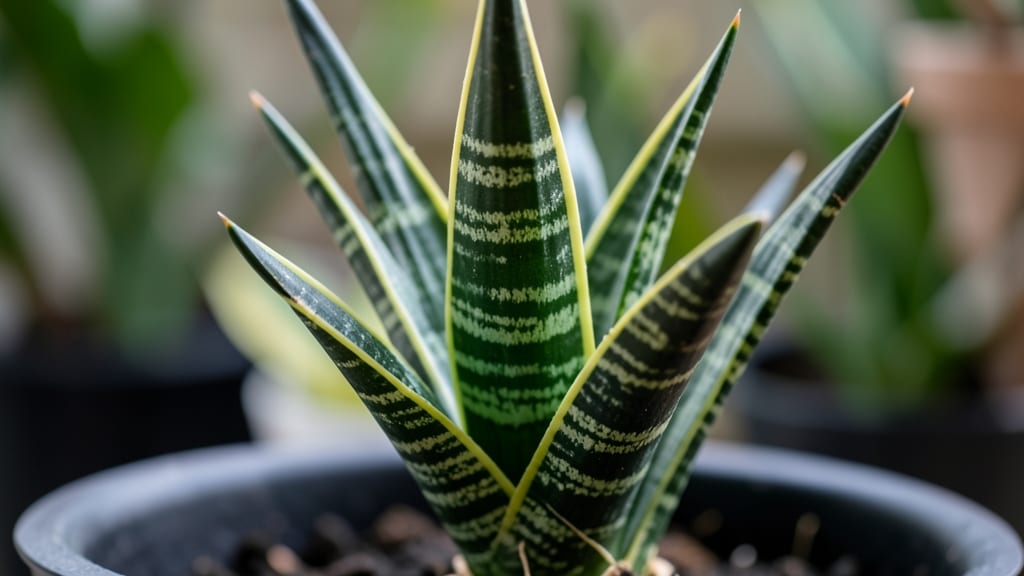
If you’ve ever glanced at your snake plant and wondered how tall they grow—whether it’ll soon reach for the ceiling or stay compact for years—you’re not alone.
These hardy houseplants grow at wildly different rates depending on the variety, and knowing the exact height ranges can help you plan your space (and avoid pot mishaps).
Most snake plants mature between 2 and 4 feet, but some dwarf varieties stay as short as 1 foot, while others stretch toward the sky. The key? Understanding your plant’s species—like the towering Sansevieria cylindrica versus the more modest Sansevieria trifasciata—makes all the difference in managing growth.
I’ll break down the height expectations for the 10 most common varieties, plus the surprising factors that speed up or slow down their growth. Whether you’re dealing with a slow-growing baby plant or a skyward-reaching giant, you’ll learn how to keep it happy—and at the right height—for years.
Ready to stop guessing and start growing with confidence? Let’s dive into the exact ranges you need to know before your snake plant outgrows its spot.


Snake plant height by variety: exact growth ranges for 10 most common types
Snake plants (Sansevieria spp.) are prized for their striking foliage and adaptability, but their mature heights can vary wildly depending on the variety.
Whether you're choosing a plant for a small desk or a corner of your living room, knowing the exact height ranges will help you plan your space.
Most varieties stay between 1 and 4 feet tall, but some dwarf types remain under 2 feet, while others can stretch toward 5 feet in ideal conditions.
If you’ve ever compared your snake plant's growth to a neighbor’s and wondered why yours seems stunted (or overly tall), the answer likely lies in the variety. Some, like the Sansevieria trifasciata 'Laurentii', grow vertically, while others, like Sansevieria cylindrica, spread horizontally.
Let’s break down the 10 most common varieties and their mature heights so you can make an informed choice for your home.
📌 Pro Tip: Always check the variety name when purchasing, as mislabeled plants are common in nurseries. A 1-foot difference in height can make a big difference in your space planning!
| Variety | Mature Height (ft) | Growth Habit | Notes |
|---|---|---|---|
| Sansevieria trifasciata 'Laurentii' | 2–4 ft | Vertical | Classic variegated edges; slow grower. |
| Sansevieria trifasciata 'Futura Superba' | 3–5 ft | Vertical | Tallest common variety; needs space. |
| Sansevieria trifasciata 'Hahnii' | 1–2 ft | Rounded, bushy | Dwarf "Bird’s Nest" type; great for desks. |
| Sansevieria cylindrica | 2–3 ft | Horizontal spread | Cylindrical leaves; spreads wider than tall. |
| Sansevieria 'Moonshine' | 2–3 ft | Vertical | Bright yellow-green leaves; compact. |
| Sansevieria 'Black Gold' | 2–3 ft | Vertical | Dark, near-black foliage; slow grower. |
| Sansevieria 'Twist' | 2–3 ft | Twisted leaves | Unique spiral pattern; moderate height. |
| Sansevieria 'Golden Hahnii' | 1–2 ft | Bushy, compact | Variegated "Bird’s Nest"; ideal for small spaces. |
| Sansevieria 'Fukii' | 3–4 ft | Vertical | Thick, upright leaves; slow-growing. |
| Sansevieria 'Whale Fin' | 2–3 ft | Wide, fan-shaped | Unique leaf shape; moderate height. |
As you can see, the Sansevieria trifasciata 'Futura Superba' is the tallest common variety, often reaching 5 feet in ideal conditions, while the 'Hahnii' and 'Golden Hahnii' varieties stay compact, making them perfect for desks or shelves.
If you’re working with limited vertical space, opt for dwarf varieties like 'Hahnii' or 'Moonshine,' which max out at 2 feet.
Another key factor is the growth habit. Vertical growers like 'Laurentii' and 'Futura Superba' need taller pots or hanging baskets, while horizontal spreaders like Sansevieria cylindrica thrive in wider containers. This distinction can help you avoid overcrowding or underutilized space in your home.
💡 Light Tip: Snake plants grow taller and faster in bright, indirect light. If your variety isn’t reaching its expected height, consider moving it to a sunny window (but avoid direct afternoon sun, which can scorch leaves).
If you’re unsure which variety you have, check the leaf shape and pattern. For example, 'Laurentii' has yellow edges
How fast do snake plants grow? Factors that control height and spread
Snake plants grow at different speeds depending on their variety, but even the same plant can shoot up—or stay compact—based on a few key factors. Light exposure is the biggest driver: bright indirect light can double growth rates compared to low-light conditions.
My Sansevieria trifasciata 'Laurentii' grew from 1 foot to 3 feet in just 2 years with 6 hours of morning sun!
Pot size also plays a surprising role. Root-bound plants grow taller faster because they’re desperate for space, while oversized pots encourage wider, bushier growth. I once saw a Sansevieria cylindrica reach 4 feet in 3 years because it was crammed into a 6-inch pot—until I repotted it!
Soil type matters too. Well-draining, sandy mixes prevent root rot and encourage steady growth, while heavy clay soil can stunt height. I always mix in perlite or orchid bark to keep my snake plants thriving. Temperature also affects growth: 65–85°F is ideal, while cooler temps slow things down.
🌱
| Factor | Impact on Growth | Actionable Tip |
|---|---|---|
| Light Exposure | ↑ 2x faster with bright indirect light | Place near east/west windows |
| Pot Size | ↑ Taller if root-bound | Repot every 2–3 years |
| Soil Type | ↓ Stunted in heavy clay | Use sandy mixes with perlite |
| Temperature | ↓ Slows below 65°F | Keep in 65–85°F range |
Don’t forget about watering habits—overwatering causes root rot and stunted growth, while deep but infrequent watering (every 2–3 weeks) keeps them growing tall and strong. My Sansevieria 'Futura Superba' hit 3 feet in 2 years because I stuck to this routine.
If you’re dealing with a slow-growing snake plant, check these factors first: light, pot size, and soil. A simple adjustment—like moving it to a brighter spot—can make a dramatic difference in height over time.
And if your plant is growing too fast, we’ll cover pruning tips in the next section!
🪴