
How To
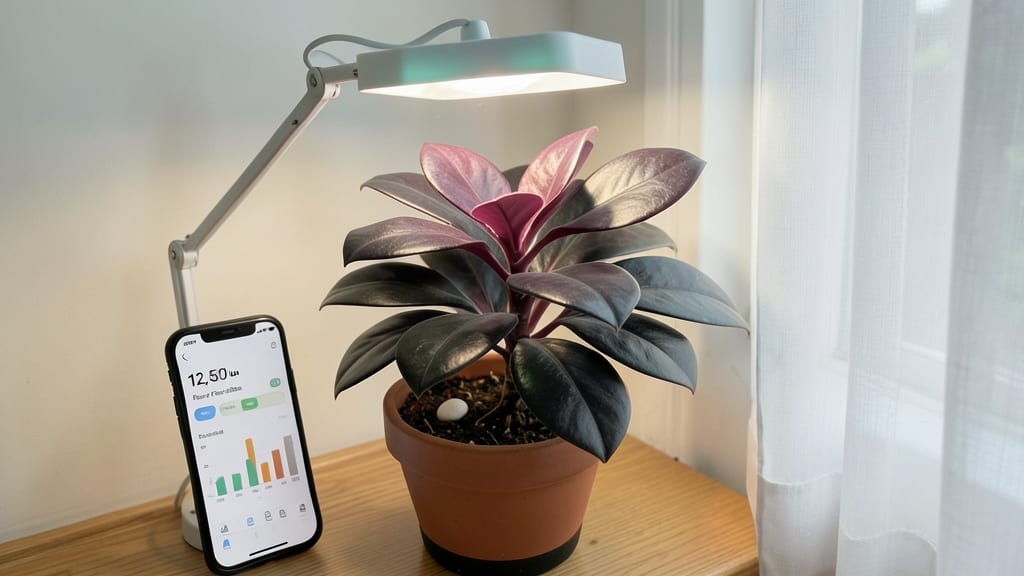
Finding the perfect balance of rubber plant light can feel like solving a puzzle—too much sun, and those glossy leaves crisp up like autumn leaves, while too little leaves your plant stretching awkwardly toward the nearest window.
The good news? With the right approach, you can transform your rubber plant (🌿) into a thriving, jungle-worthy centerpiece that’s the envy of every room.
Most people assume rubber plants need constant bright light, but the truth is more nuanced. These resilient plants actually thrive in bright indirect sunlight, making them perfect for indoor spaces where direct rays would scorch their leaves.
Whether you’re dealing with a dim corner or a sun-soaked windowsill, understanding their light needs is the key to keeping those leaves lush and vibrant.
In this guide, I’ll break down exactly how much light your rubber plant needs—from ideal window placements to troubleshooting common light-related problems like yellowing leaves or leggy growth. You’ll also discover how to supplement natural light when your home falls short, ensuring your plant stays healthy year-round.
Ready to give your rubber plant the perfect lighting conditions? Let’s dive into the secrets that will have your plant growing strong and looking its best, no matter where you place it in your home.
Ideal light conditions for rubber plants: bright indirect sunlight explained
Rubber plants (Ficus elastica) thrive in bright indirect sunlight, mimicking their native understory habitat in tropical rainforests. This means they crave soft, diffused light—think dappled shade through tree canopies—not harsh direct rays.
The key is balancing light intensity and duration to prevent stress, which often shows as yellowing or crispy leaf edges.
In my own home, I’ve learned that east-facing windows provide the perfect morning glow without the intense afternoon heat.
West windows can work too, but only if you filter the light with a sheer curtain—direct afternoon sun acts like a magnifying glass, scorching leaves in as little as 2-3 hours. North-facing windows offer the gentlest light, ideal for offices or rooms with minimal natural brightness.
Here’s the science: Rubber plants absorb blue light (400-500nm) for growth and red light (600-700nm) for photosynthesis. Too little blue light causes leggy growth (stretching toward light), while too much red light leads to leaf burn.
The sweet spot? 2,000-3,000 foot-candles of light—about the brightness of a well-lit living room.
| Light Condition | Foot-Candles | Leaf Response | Solution |
|---|---|---|---|
| Bright Indirect | 2,000-3,000 | Dark green, glossy | Ideal placement |
| Low Light | <500 | Pale, leggy | Move closer to window or add grow light |
| Direct Sun | >5,000 | Brown spots, crispy edges | Use sheer curtain or rotate plant |
If your rubber plant is near a south-facing window, treat it like a sunbather—rotate it weekly so all sides get even exposure. I notice my plant’s variegated varieties (like ‘White Clarissa’) need even more caution—their lighter leaves burn faster than solid green ones.
For low-light conditions, supplement with a LED grow light (12-14 hours/day) placed 6-12 inches above the plant.
Seasonal adjustments are crucial too. In summer, when sunlight is intense, move your plant 5-10 feet back from the window. In winter, when days are shorter, extend light exposure with a timed grow light to maintain its 6-8 hour daily light requirement.
I’ve seen rubber plants in my office corner (under fluorescent lights) survive for years—just not grow as vigorously as their sun-drenched counterparts.
Pro tip: Test your light with a simple experiment. Place a white piece of paper under the plant for a day. If it casts a sharp shadow, the light is too direct.
If the paper stays barely visible, you’ve got perfect indirect light. This trick saved my first rubber plant from a sunburned fate!
Remember, rubber plants are forgiving—they’ll survive in low light for months, but they’ll never reach their full potential. Think of light as their fuel: too little, and they’ll grow slow and weak; too much, and they’ll throw a tantrum with brown, crunchy leaves.
The goal? Happy medium—where every leaf shines with that signature glossy, waxy finish we all love.
🌿
How to fix common rubber plant light problems: yellowing, stretching, and brown spots
When your rubber plant starts showing light-related stress, it’s usually one of three issues: too little light, too much light, or uneven exposure. The good news? These problems are easy to diagnose—and fix—once you know what to look for.
I’ve seen rubber plants go from leggy and sad to compact and vibrant in just a few weeks by adjusting their light conditions. Let’s tackle the most common symptoms and their solutions.
First, let’s address the leggy growth problem. If your rubber plant is stretching toward the light with long, thin stems and small leaves, it’s begging for more brightness. This happens when your plant isn’t getting enough blue light (400-500nm), which triggers healthy growth. The fix?
Move your plant closer to a window—ideally within 3-5 feet—or supplement with a cool-white LED grow light for 12-14 hours daily. I placed a 15-watt LED bulb 12 inches above my leggy rubber plant, and within a month, the new growth was thick and bushy.
⚠️ Warning: Overwatering + Too Much Light = Disaster
If your rubber plant has brown, crispy edges, it’s likely getting too much direct sunlight. This is especially common in south- or west-facing windows where afternoon sun is intense. The solution? Filter the light with a sheer curtain or move the plant 5-10 feet back from the window. I made the mistake of placing mine too close to a west window—within days, the leaves were bleached and brittle. A simple white lace curtain saved the day!
Yellowing leaves are another red flag. If the older leaves turn yellow while the new ones stay green, your plant might be overwatered or struggling with low light. To diagnose, check the soil: if it’s soggy, cut back on watering.
If the soil is dry but the leaves are yellow, the issue is likely light deprivation. Rubber plants in low-light conditions often drop leaves to conserve energy.
The fix? Rotate the plant every 2-3 weeks so all sides get equal exposure, or invest in a grow light for 6-8 hours daily.
Here’s a quick light audit