
How To
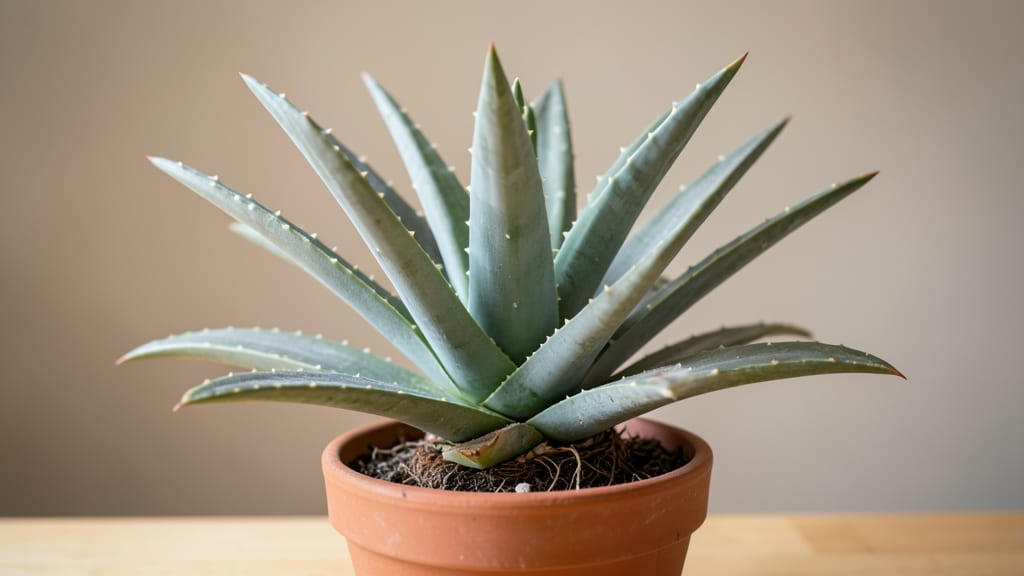
If your aloe plant 🌱 looks like it's fighting for its life—wilting, stretching, or turning pale—you might be guessing wrong about how much light it actually needs.
The truth is, aloe thrives with bright, direct sunlight, but getting the balance right can make all the difference between a vibrant, healthy plant and one that struggles to survive.
Too little light, and your aloe will stretch toward the sun, growing weak and leggy. Too much, and it risks sunburn, turning leaves brown or crispy at the edges. The key isn’t just about hours of light—it’s about intensity, placement, and even seasonal adjustments.
Whether you’re growing aloe indoors near a window or outdoors in USDA Zone 6a, I’ll break down exactly what your plant needs to flourish.
You’ll discover how to spot the signs of overlighting or underlighting, where to place your aloe for optimal growth, and how to supplement natural light if your space falls short. No more guesswork—just clear, actionable steps to keep your aloe strong and happy year-round.
Ready to transform your struggling plant into a thriving centerpiece? Let’s dive into the sunlight rules that will change everything for your aloe’s health and growth.

Optimal sunlight requirements for aloe vera growth and health
Aloe vera thrives in bright, direct sunlight—this is non-negotiable for healthy growth. As a succulent, it evolved to handle intense sun, but finding the perfect balance is key. Too little light makes your plant leggy and weak, while too much can cause sunburned patches that ruin its appearance.
Let’s break down the exact light conditions your aloe needs to flourish.
The ideal sunlight range for aloe vera is 6 to 8 hours of direct sun daily. In its natural habitat (arid regions of Africa), aloe plants bask under the harsh desert sun.
Replicating this in your garden or home ensures vibrant green leaves and robust root development. However, if you’re in a hot climate, afternoon shade can prevent scorching during peak heat.
Indirect light is acceptable but comes with trade-offs. Aloe can tolerate bright, filtered light (like through sheer curtains), but growth will be slower, and leaves may stretch toward the light—a condition called etiolation. If your aloe is indoors near a window, rotate the pot quarter-turns weekly to ensure even light exposure and prevent lopsided growth.
Seasonal adjustments are critical. During spring and summer, aloe can handle full sun exposure from morning until early afternoon. In fall and winter, when sunlight is weaker, supplement with a grow light for 4–6 hours daily if natural light drops below 4 hours.
This mimics the plant’s natural cycle and keeps it thriving year-round.
Outdoor aloe plants benefit from morning sun and afternoon shade in extreme heat zones (USDA zones 9–11). Place pots on elevated surfaces like decks or raised beds to improve airflow and reduce heat stress.
If your aloe is in a container, use one with drainage holes and a light-colored pot to reflect excess heat.
Here’s how light affects your aloe’s health at different stages: Seedlings need gentle, indirect light to avoid shock. Mature plants crave direct sun for thick, gel-rich leaves. Overwintering aloe should get bright light daily to prevent dormancy-related decline.
| Light Condition | Daily Sunlight Needs | Leaf Health Impact | Best For |
|---|---|---|---|
| Full Sun | 6–8 hours direct | Thick, vibrant green leaves | Outdoor pots, greenhouses |
| Partial Sun | 3–6 hours direct | Slower growth, leggy stems | Indoor south windows |
| Indirect Light | Bright, filtered light | Pale, stretched leaves | North windows, low-light rooms |
| Low Light | <2 hours direct | Yellowing, weak roots | Avoid—use grow lights |
Pro tip: Test your aloe’s light tolerance by moving it gradually from shade to sun over 2–3 weeks. Sudden exposure can cause sunburn, visible as white or brown patches on leaves. If this happens, move the plant to dappled shade for a week before reintroducing full sun.
For indoor growers, south-facing windows are ideal, but east or west windows work too—just ensure the aloe gets at least 4 hours of direct light daily.
If your home lacks natural light, a LED grow light (10,000–12,000 Kelvin) placed 6–12 inches above the plant for 12–14 hours mimics sunlight perfectly. Adjust the height as the aloe grows to prevent leaf burn.
Remember, healthy aloe leaves are the ultimate indicator of proper light. Aim for thick, fleshy, and deep green foliage—this means your plant is happy and ready to thrive. If yours looks lackluster, it’s time to reassess its light conditions! 🌿
Signs of overlighting vs. underlighting in aloe plants
Aloe plants 🌱 are tough survivors, but even they can’t handle light extremes without showing signs of distress. If your aloe’s leaves are turning brown and crispy along the edges, it’s likely suffering from too much direct sunlight.
This is classic sunburn, where intense rays damage the plant’s delicate cells. On the flip side, if your aloe stretches tall with spaced-out leaves and looks pale or yellowish, it’s begging for more light.
The key is recognizing these visual stress signals early. For example, white or reddish patches on leaves often mean your aloe is getting harsher afternoon sun than it can handle. Meanwhile, weak, leggy growth with thin leaves signals underlighting, where the plant stretches toward any available light source.
Both issues can be fixed with simple adjustments—just knowing what to look for makes all the difference.
🌱
🔥 Overlighting Signs & Fixes
- Brown/white patches on leaf edges → Move to indirect light or use sheer curtain
- Crispy, dry leaf tips → Reduce afternoon sun exposure (10 AM–2 PM is safest)
- Bleached or yellowing leaves → Rotate pot quarter-turn weekly for even light
🌑 Underlighting Signs & Fixes
- Leggy, stretched growth → Place in sunnier spot (south-facing window ideal)
- Pale, thin leaves → Supplement with grow lights (12–14 hrs/day)
- Slow or no growth → Gradually increase direct sunlight over 2–3 weeks
Gradual adjustments are critical—aloes can’t handle sudden light changes. If you’ve moved your plant from indoor shade to bright outdoor sun, acclimate it over 1–2 weeks by moving it outside for 1–2 hours daily, then increasing exposure.
This prevents sun shock, where leaves turn white or translucent overnight.
Pro tip: Rotate your aloe’s pot every 2–4 weeks to ensure even light exposure. Plants grow toward the light, so uneven growth often means one side is getting more sun. A simple spin keeps your aloe symmetrical and healthy.
🪴
Remember, aloes are drought-tolerant but not heat-tolerant. If your plant is showing signs of stress, check its watering habits too. Overwatered aloes in bright light can develop root rot, which looks like mushy, discolored bases.
Always let the soil dry completely between waterings, especially in hot, sunny conditions.