
Plants
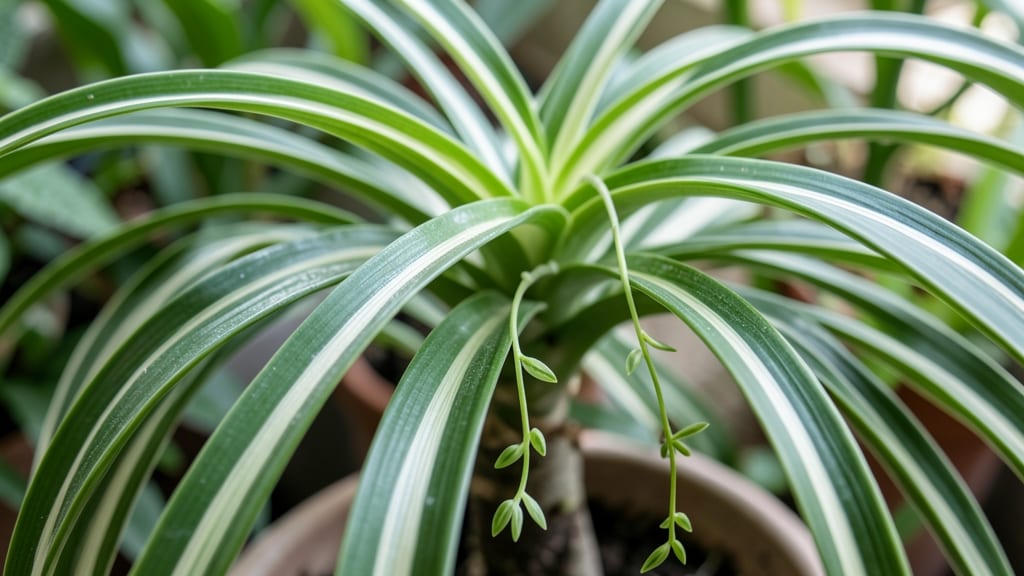
If your 🕷️ Spider Plant is struggling to thrive, you might be overcomplicating its care—because how much light does a spider plant require isn’t as complicated as you’d think.
This resilient plant actually handles more light conditions than most people realize, making it the perfect low-maintenance choice for nearly any home.
You don’t need to be a plant expert to give it what it needs—just a few simple adjustments to your space. Whether you’re dealing with dim corners or bright windows, I’ll show you exactly how to spot the perfect balance.
The right light can transform your Spider Plant from a sad, leggy shadow into a lush, vibrant showstopper.
Let’s start with the basics: the ideal conditions and what to watch for when things go wrong.
Ready to turn your plant care into a success story? By the end, you’ll know exactly where to place your Spider Plant for healthy growth—no guesswork required.

Spider plant light requirements: ideal conditions for healthy growth
If you’ve ever wondered, "How much light does a spider plant require?" the answer is simpler than you might think. These resilient plants thrive in bright indirect sunlight, making them perfect for homes with limited natural light.
Unlike sun-loving succulents, spider plants (Chlorophytum comosum) can’t handle harsh direct rays, which can scorch their delicate leaves. Instead, they prefer filtered light—think of them as the Goldilocks of houseplants: not too dim, not too bright, but just right.
The key to keeping your spider plant happy lies in understanding its light tolerance range. While they can survive in low-light conditions (like a dim corner or bathroom), they’ll grow much slower and produce fewer of those iconic spiderettes—the adorable baby plants that dangle from their stems.
For optimal growth, aim for 4 to 6 hours of bright, indirect light daily. This could be a spot near an east-facing window (gentle morning sun) or a north-facing window (softer, all-day light).
Here’s a quick rule of thumb: If your spider plant is placed 2 to 3 feet away from a window, it’s likely getting the perfect amount of light.
This distance prevents the intense midday sun from causing leaf burn, while still allowing enough brightness to keep the foliage vibrant and encourage new growth.
Variegated varieties (with white or yellow stripes) need slightly more light than solid-green types to maintain their striking colors, so keep that in mind if you’re growing a patterned cultivar.
| Light Condition | Ideal Placement | Growth Impact |
|---|---|---|
| Low Light (<2 hours direct sun) | North-facing window, 4+ feet away; dim offices | Slow growth, sparse spiderettes, leggy stems |
| Moderate Light (2-4 hours indirect) | East or west window, 2-3 feet away | Healthy growth, vibrant leaves, frequent spiderettes |
| Bright Indirect (4-6 hours filtered) | North or east window, 1-2 feet away; sheer curtain over south window | Optimal growth, dark green leaves, robust spiderettes |
| Direct Sun (>6 hours or harsh rays) | South-facing window without shade; outdoor summer sun | Leaf scorch, yellowing, crispy edges, stunted growth |
One of the most common mistakes I see is placing spider plants in south-facing windows without any protection. While they can tolerate a few hours of morning sun, the intense afternoon rays (especially in summer) will cause leaf burn, turning the edges brown and crispy.
To fix this, use a sheer curtain to diffuse the light or move your plant back a few feet from the window. If you notice the leaves turning yellow or developing white or brown patches, it’s a clear sign your plant is getting too much direct sun.
On the flip side, if your spider plant starts looking leggy (long stems with sparse leaves) or the leaves develop a pale, washed-out color, it’s craving more light. In such cases, rotate the pot quarter-turn weekly to ensure even growth, and consider moving it closer to a brighter window.
A grow light can also be a lifesaver for spider plants in windowless rooms or during winter’s shorter days. Just position it 6 to 12 inches above the plant for 12 to 14 hours daily to mimic natural light cycles.
Pro tip: Variegated spider plants (like the popular ‘Variegatum’ variety) need more light than their solid-green counterparts to maintain their striking patterns. If you notice the white or yellow stripes fading to green, it’s time to move the plant to a brighter spot.
Solid-green varieties, however, are more forgiving and can handle lower light levels without losing their color.
Remember, spider plants are forgiving—they won’t die overnight if you get the light wrong. But to keep them thriving and producing those adorable spiderettes, aim for bright indirect light and adjust based on how your plant responds.
Pay attention to the leaves’ color, growth rate, and spiderette production, and you’ll quickly learn what works best for your home’s unique lighting conditions. 🌱
Next, let’s tackle another crucial question: What are the telltale signs your spider plant isn’t getting enough (or too much) light? Stay tuned for actionable fixes to revive your plant and keep it happy! ✂️
Spider plant light requirements: ideal conditions for healthy growth
Your 🕷️ Spider Plant thrives in bright indirect sunlight, but it’s far more flexible than you might think. Unlike sun-loving plants, this hardy houseplant tolerates low-light conditions—making it perfect for offices, bathrooms, or even dim corners.
The key is avoiding direct sun, which can scorch its delicate leaves and turn them yellow or brown.
For optimal growth, aim for 4 to 6 hours of bright, filtered light daily. Think of it like a gentle morning glow—similar to what you’d find near an east-facing window or under sheer curtains.
If your space lacks natural light, don’t worry: Spider Plants adapt well to artificial grow lights (12 hours/day) if placed 6-12 inches away.
| Light Condition | Ideal Placement | Growth Impact |
|---|---|---|
| Low Light (<25% brightness) | North-facing windows, basements, offices | Survives but grows slowly; leggy stems |
| Medium Light (30-50% brightness) | East/west windows, 3-5 ft from south window | Healthy growth; vibrant green leaves |
| Bright Indirect (50-75% brightness) | 2-3 ft from east/north window | Best growth; abundant spiderettes |
| Direct Sun (>75% brightness) | South windows without filters | Leaf burn; yellow/brown tips |
The variegated varieties (like 'Variegatum') need slightly more light to maintain their striking white or yellow stripes. If these patterns fade to solid green, it’s a sign your plant craves more brightness.
Rotate your Spider Plant quarterly to ensure even growth—leaves naturally lean toward light sources, creating uneven shapes over time.
Pro tip: Test your space’s light levels with a phone app (like Light Meter). Aim for 500-1,000 foot-candles—this range keeps your Spider Plant happy without risking sun damage. If your home is perpetually dim, supplement with a 10,000-lux LED grow bulb for 6-8 hours daily.
Remember, Spider Plants are forgiving. Even if you misjudge the light at first, they’ll recover with minor adjustments. The goal is to avoid extremes: too little light stunts growth, while too much causes stress. Start with medium light, observe your plant’s response, and tweak as needed.
Now that you know the ideal conditions, let’s tackle the next challenge: spotting when your Spider Plant isn’t getting the right light—and how to fix it.