
Plants
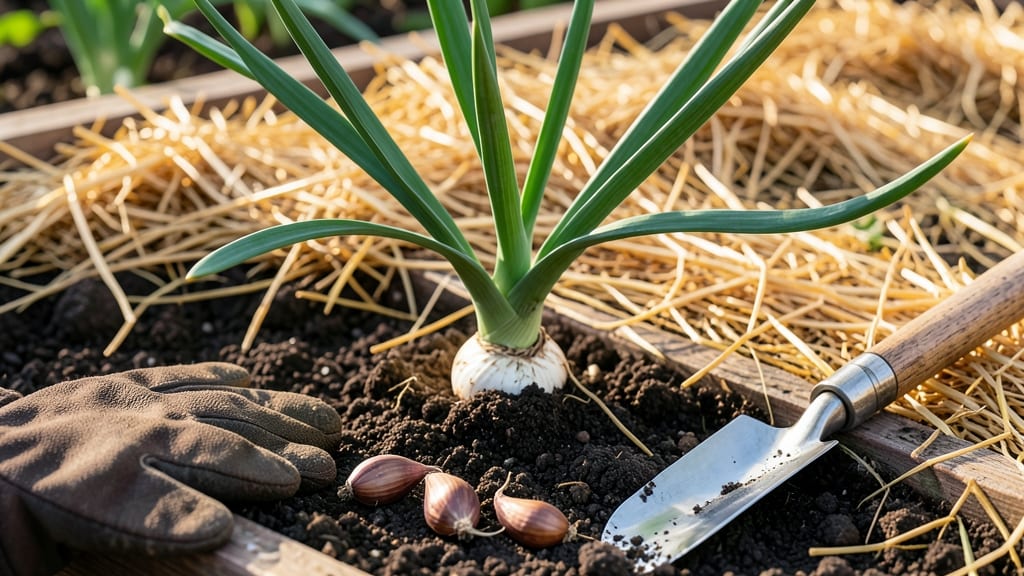
Timing your garlic planting in Delaware isn't just about the calendar—it’s about outsmarting the First State’s frosty winters and humid summers to grow bulbs that rival anything from a specialty market.
If you’ve ever planted too early and watched your cloves rot or too late and missed the sweet spot for flavorful harvests, you know how critical fall planting really is.
Delaware’s USDA zones 7a-7b give you a narrow window to get it right, but mastering this rhythm means you’ll harvest plump, robust 🧄 garlic in June or July—far superior to store-bought.
The key? Planting between October and November, when soil temps dip but the ground stays workable, and choosing varieties that thrive in your region’s microclimates.
I’ve tested both hardneck and softneck types here, and the difference in yield and flavor is night and day. Whether you’re a backyard gardener or scaling up, this guide cuts through the guesswork to help you plant with confidence—no more wasted cloves or underwhelming harvests.
Let’s break down the exact months, soil prep secrets, and how to handle Delaware’s unpredictable weather so you’re set up for success from day one.
Best planting months for hardneck vs softneck garlic in Delaware
Delaware’s USDA zones 7b-8a create a perfect climate for growing garlic, but timing is everything. The ideal planting window for most varieties falls between mid-October and November, ensuring bulbs establish roots before winter’s chill sets in.
This timing lets garlic harness Delaware’s cold winters to develop flavorful cloves while avoiding spring planting pitfalls.
For hardneck garlic, which thrives in colder climates, the window narrows to October 15th to November 1st. This variety needs at least 40 days of cold temperatures (below 40°F) to form bulbs properly.
Meanwhile, softneck garlic, better suited for milder winters, can stretch planting into early December or even March for spring planting—though yields may suffer.
Delaware’s microclimates add another layer of complexity. Northern regions like New Castle experience earlier frosts, pushing planting toward late September to mid-October. Southern areas like Wilmington can wait until mid-October without risking frost damage. Always check your local last frost date (typically November 15th) to adjust timing accordingly.
| Variety | Best Planting Window | Cold Requirement | Harvest Month | Delaware Notes |
|---|---|---|---|---|
| Hardneck Garlic | October 15 – November 1 | 40+ days below 40°F | June – July | Best for Northern DE; produces scapes |
| Softneck Garlic | October 1 – December 10 | 30+ days below 40°F | July – August | Tolerates Southern DE’s milder winters |
| Spring-Planted Garlic | Early March (high risk) | None (bulbs form without cold) | August – September | Smaller bulbs; reserve for backup |
If you miss the fall window, don’t despair—spring planting in early March is an option, though results are 50% smaller bulbs. This method works best for softneck varieties like Silverskin, which don’t require cold stratification.
However, I recommend sticking to fall planting for maximum yield and flavor, especially in Delaware’s humid summers, which can stress garlic planted too late.
Pro tip: Use clove size to gauge planting readiness. Larger cloves (about 1 inch diameter) planted in well-draining soil will establish faster. Break apart braided garlic just before planting to avoid drying out the cloves.
Aim for 4-6 weeks before the first hard frost—this gives roots time to anchor before winter sets in.
Delaware’s soil pH (6.0–7.0) is ideal for garlic, but amend with compost if your soil is heavy clay (common in New Castle County). Work in 2–3 inches of compost or well-rotted manure before planting.
This improves drainage and provides nutrients for the 6–8 month growing cycle. Avoid fresh manure, which can burn cloves.
For hardneck varieties, harvest in late June to early July when lower leaves brown but tops stay green. Softneck garlic matures 2–4 weeks later. In Delaware, late June heat can accelerate ripening, so monitor plants closely.
Cure harvested bulbs in a dry, shady, well-ventilated area for 2–3 weeks to develop papery skins and extend storage life.
One final note: Delaware’s unpredictable weather can throw off timing. If frost arrives early, mulch with straw to insulate cloves. If spring arrives late, avoid fertilizing until soil warms to 50°F—cold soil can scorch roots.
With the right timing and care, your garlic will reward you with bold, homegrown bulbs that outshine store-bought varieties.
Best planting months for hardneck vs softneck garlic in Delaware
Delaware’s USDA zones 7a-7b create a perfect window for growing garlic, but timing varies dramatically between hardneck and softneck varieties. Hardnecks—like ‘German White’—need cold winters to form bulbs, while softnecks, such as ‘Silverskin’, tolerate milder conditions. Missing the mark means smaller cloves or no harvest at all.
For hardneck garlic, aim for October to early November—this gives plants enough time to establish roots before winter. Southern Delaware’s warmer microclimates may push planting to mid-November, while northern regions should plant by late October to avoid early freezes.
Softnecks, however, are more flexible and can go in until December.
| Variety | Ideal Planting Window | Delaware-Specific Notes |
|---|---|---|
| Hardneck (e.g., 'German White') | October 1–November 15 | Northern DE: Plant by Nov 1. Southern DE: Extend to Nov 15. |
| Softneck (e.g., 'Silverskin') | September 15–December 15 | More frost-tolerant; can plant later but yields peak by Nov 15. |
| Both Types | Early Spring (March) | Backup option if fall planting fails; harvest same year but smaller bulbs. |
Delaware’s first frost typically arrives November 15, so hardnecks must root 4–6 weeks before this date. Use a soil thermometer—roots need 40–50°F soil to establish. For softnecks, push the limit to December 15, but expect reduced bulb size if planted later.
Pro tip: Northern Delaware (New Castle County) freezes earlier than Southern Delaware (Sussex County). Adjust planting dates accordingly—even a 2-week difference can mean the difference between a bountiful harvest and disappointment. Check local Almanac frost dates yearly, as patterns shift.
If you miss the fall window, don’t despair! Plant early March for a summer harvest, though bulbs will be smaller and less flavorful. This method works best for softnecks, which handle warmer springs better than hardnecks.
Remember: Garlic needs cold dormancy to form bulbs. Skipping the winter chill = poor results. Delaware’s climate delivers this naturally—just time your planting right to harness it! 🧄