
Planting
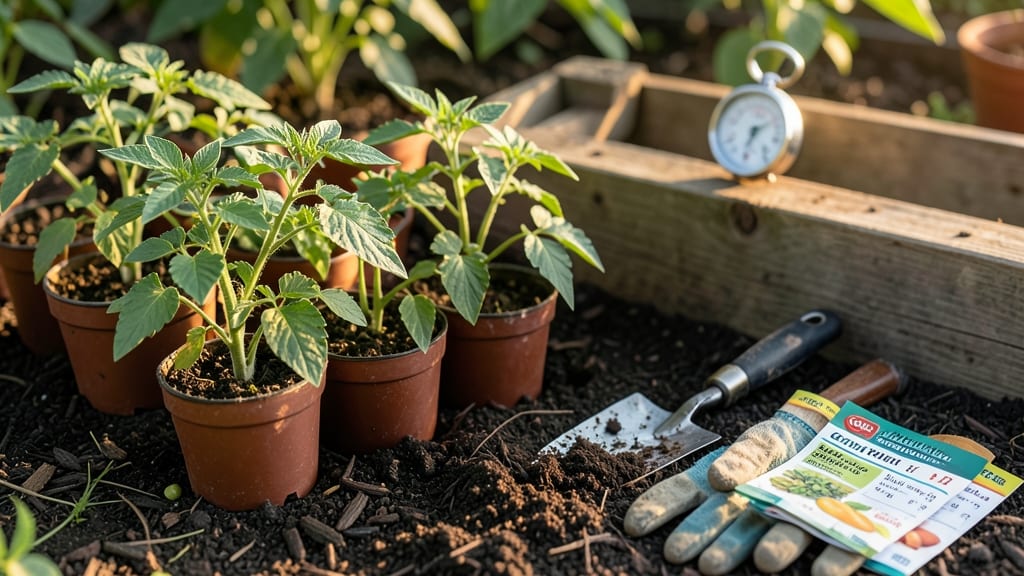
When to plant a garden in Alabama just right can mean the difference between a bountiful harvest and wasted effort. With USDA zones 7a-8b offering a long growing season, knowing when to plant your 🌱 General Alabama Garden is the key to success.
Miss the window, and you might struggle with poor germination or pests taking over. Get it perfect, and you’ll enjoy fresh veggies from spring through fall. I’ll break down the exact months for planting everything from leafy greens to heat-loving tomatoes, tailored to Alabama’s unique climate.
Whether you’re a beginner or a seasoned gardener, this guide will help you avoid common mistakes and make the most of your planting season. Let’s dive into the best times to start sowing seeds and transplanting for a thriving garden.
From late February to early April and again in late August to early October, Alabama’s two planting windows offer plenty of opportunities. I’ll show you how to align your garden with these ideal times for maximum yield and minimal stress.
Alabama planting calendar: best months for vegetables by hardiness zone
Alabama’s USDA Zones 7a-8b give gardeners a long growing season—but timing matters. The last spring frost typically hits mid-March, while the first fall frost arrives around mid-November. I’ve broken down the best months to plant cool-season vs. warm-season crops so you can maximize your harvest.
Cool-season crops like lettuce, spinach, and broccoli thrive in Alabama’s fall and early spring. Warm-season favorites such as tomatoes, peppers, and okra need to wait until after the last frost when soil temps hit 60°F+. Let’s dive into the exact planting windows for 15+ staple crops.
🌱 NOTE: Always check your local frost dates—North Alabama (Zone 7a) may need to wait 1-2 weeks longer than South Alabama (Zone 8b). Use the Alabama A&M Extension frost map for precision.
| Plant Type | Best Planting Months | Harvest Window | Notes |
|---|---|---|---|
| Cool-Season Vegetables | Feb-Mar, Aug-Sept | April-June, Sept-Nov | Lettuce, spinach, broccoli, cabbage |
| Warm-Season Vegetables | April-May, July-Aug | June-Aug, Sept-Oct | Tomatoes, peppers, okra, squash |
| Herbs | March-April, Aug-Sept | April-Nov (cut-and-come-again) | Basil, cilantro, parsley, rosemary |
| Flowers | March-April, July-Aug | May-Oct (annuals) | Marigolds, zinnias, petunias, pansies |
| Perennials | Oct-Nov, March-April | Year-round (established) | Lavender, daylilies, hostas, herbs |
| Sweet Potatoes | May-June | Oct-Nov | Plant slips after soil is warm |
| Black-Eyed Peas | March-April, July-Aug | June-July, Sept-Oct | Classic Southern staple |
For tomatoes and peppers, I recommend starting seeds indoors in February and transplanting after April 15 (when night temps stay above 55°F). Okra and sweet potatoes love Alabama’s heat—plant them after Memorial Day for best results.
If you’re growing cool-season crops in summer, use shade cloth to protect seedlings from 90°F+ temps. For fall planting, aim to get seeds in the ground by mid-August to ensure a harvest before frost.
Pro tip: Use row covers to extend your spring and fall growing seasons by 2-4 weeks. This is especially helpful for leafy greens and brassicas that bolt in heat.
For herbs like basil and cilantro, I plant two batches: one in early spring and another in late summer. This ensures fresh herbs all season long—no gaps!
Remember, soil temperature matters more than air temperature. Use a soil thermometer to confirm 60°F+ for warm-season crops before planting. Most garden centers sell them for under $15.
🌱
How to adjust planting times for Alabama’s microclimates and soil types
Alabama’s varied geography—from the coastal plains to the Appalachian foothills—creates microclimates that can shift planting windows by weeks. If you’re in North Alabama’s Zone 7a, you’ll need to wait longer for warm-season crops than in South Alabama’s Zone 8b.
Even within cities, urban heat islands can make soil warm up faster, allowing earlier plantings.
Soil type also plays a critical role. Sandy soils in coastal areas drain quickly and warm up faster, while clay-heavy soils in the Black Belt region retain moisture longer but may stay cold longer in spring.
Adjust your schedule based on whether your garden sits on a south-facing slope (warmer) or a north-facing hill (cooler).
🌱 Key Adjustments:
- Coastal areas (Mobile, Gulf Shores): Start warm-season crops like tomatoes and peppers in mid-February—2-3 weeks earlier than inland zones.
- North Alabama (Huntsville, Decatur): Wait until mid-April for warm-season plants to avoid frost damage.
- Urban gardens (Birmingham, Montgomery): Use row covers to extend spring planting by 3-4 weeks.
| Microclimate | Adjustment | Example Crops |
|---|---|---|
| Coastal Plains (Zone 8b) | Plant warm-season crops 2-3 weeks earlier | Okra, Sweet Potatoes, Peppers |
| North Alabama (Zone 7a) | Delay warm-season crops until mid-April | Tomatoes, Eggplant, Basil |
| Urban Heat Islands | Use row covers to extend spring | Lettuce, Spinach, Radishes |
| Clay Soils (Black Belt) | Wait for soil to warm to 65°F before planting | Peas, Carrots, Beets |
Extending your growing season is easier than you think. Cold frames can push spring planting back by 4-6 weeks, while black plastic mulch warms soil faster, letting you plant tomatoes and peppers 2 weeks earlier.
For fall crops, use floating row covers to protect kale and spinach from early frosts in October.
Alabama gardeners often make these timing mistakes:
- Planting warm-season crops too early before soil warms (root rot risk).
- Ignoring microclimate differences (e.g., planting peppers too late in North Alabama).
- Skipping soil temperature checks (use a soil thermometer—most veggies need 60-65°F).
- Overlooking succession planting for fast growers like radishes and lettuce.
- Not adjusting for rainfall patterns (e.g., delaying spring planting after heavy rains).
Pro tip: Test your soil’s warmth by pressing your hand into the ground—if it feels cool to the touch, wait a few days. For sandy soils, add compost to retain moisture; for clay soils, mix in sand to improve drainage.
With these adjustments, you’ll maximize your Alabama garden’s potential year-round. 🌿