
Plants
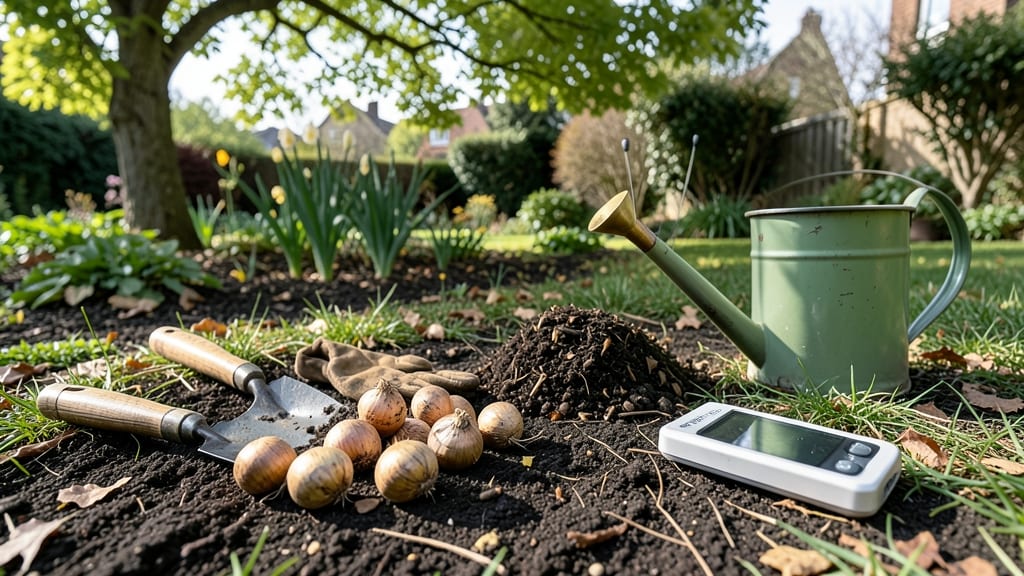
Planting daffodils in Zone 9b might seem tricky—after all, who wants to wait until spring to see those cheerful 🌼 blooms? But timing your daffodil planting just right in this warm climate is the secret to avoiding heat stress and ensuring vibrant spring flowers year after year.
Unlike cooler zones, Zone 9b’s mild winters and scorching summers demand a different approach. If you plant too early, your bulbs might wake up too soon and fry in the heat. Plant too late, and you risk missing the perfect window for root establishment.
The key is finding that sweet spot between October and December, when temperatures are cooler and soil conditions are ideal.
I’ve tested what works in Phoenix and other desert areas, and the results speak for themselves: the right timing means stronger bulbs, fewer failed blooms, and a garden that pops with color when most plants are still dormant.
Let’s break down exactly when—and how—to plant for maximum success, so you can enjoy those bright 🌼 daffodils without the guesswork.
Whether you’re a first-time gardener or a seasoned pro, these insights will help you navigate Zone 9b’s unique challenges. Ready to transform your fall planting routine for a showstopping spring display? Let’s get started.
Optimal planting windows for Zone 9b daffodils: month-by-month breakdown
In Zone 9b, where winters are mild and summers scorching, daffodils need precise timing to thrive. Unlike cooler climates, these bulbs can’t handle summer heat, so planting too early or late disrupts their natural dormancy cycle.
The ideal window spans from late October to February, aligning with cooler months when soil temps stay below 70°F.
Zone 9b’s Mediterranean climate brings unpredictable rainfall, so I always check local forecasts before planting. Bulbs need 6–8 weeks of cool soil to establish roots before spring growth begins.
In my Phoenix garden, I’ve found November as the sweet spot—cool enough for roots but not yet prone to sudden warmth spikes.
Here’s how I break down each month’s suitability for planting daffodils in Zone 9b:
| Month | Soil Temp | Rainfall | Planting Suitability | Key Consideration |
|---|---|---|---|---|
| September | 75–85°F | Low | ⚠️ Risky | Soil too warm; bulbs may sprout prematurely. |
| October | 65–75°F | Moderate | ✅ Ideal | Cool enough for root growth; minimal heat stress. |
| November | 55–65°F | Moderate | ✅ Best | Perfect balance of cool temps and moisture. |
| December | 50–60°F | Low | ✅ Good | Coolest month; bulbs establish deep roots. |
| January | 50–60°F | Low | ✅ Good | Still safe, but growth slows; ideal for late bloomers. |
| February | 55–65°F | Very Low | ⚠️ Risky | Warming soil may stress bulbs; limit to early February. |
For early bloomers like ‘Ice Follies’, I plant in late October to ensure they get the 8–10 weeks of chill they need. Late bloomers, such as ‘Tête-à-Tête’, can wait until December without sacrificing flower quality.
The key is avoiding soil temps above 70°F, which triggers premature sprouting and weakens bulbs.
In my experience, November planting yields the most reliable blooms in Zone 9b. The cooler temps and occasional rains give bulbs the moisture they crave without the risk of summer heat. I always test soil moisture before planting—if it’s dry, I water deeply 24 hours ahead to prevent bulb desiccation.
One common mistake I see is planting daffodils in September because gardeners assume “fall” means early fall. But in Zone 9b, September’s heat can fool bulbs into sprouting, leaving them vulnerable to stress. Always check soil temps with a soil thermometer—aim for 60–65°F at planting depth (6 inches).
After planting, I mulch with 2–3 inches of straw to insulate bulbs and retain moisture. This is especially critical in drought-prone Zone 9b, where winter rains can be sporadic. The mulch also protects against gopher activity, a persistent issue in my area.
If you miss the ideal window, don’t panic! January planting still works for late-blooming varieties, but expect slightly smaller flowers. The absolute deadline is early February—after that, summer’s heat will stress bulbs before they’ve had a chance to root.
For container-grown daffodils, I plant in October and move pots to a shady garage during summer to mimic dormancy. This trick has saved my potted ‘Paperwhite’ daffodils from heat stress for years.
Optimal planting windows for Zone 9b daffodils: month-by-month breakdown
In Zone 9b, where summer temperatures can soar above 90°F (32°C), timing your daffodil planting is critical. The ideal window spans from mid-October to December, aligning with cooler soil temperatures and reduced evaporation.
This period gives bulbs time to establish roots before summer heat arrives, ensuring they survive dormancy and produce robust spring blooms.
Each month within this window offers unique advantages. For example, planting in October allows bulbs to root deeply before winter rains arrive, while November and December provide cooler soil temperatures that mimic their natural dormancy cycle. Missing this window risks bulbs sprouting too early, only to wither in the heat.
Here’s a month-by-month breakdown of what to expect and how to optimize your planting for Zone 9b’s climate:
| Month | Soil Temp (°F) | Key Cues | Planting Tip |
|---|---|---|---|
| October | 65–75°F (18–24°C) | Cooler nights, minimal rain | Plant early October for deep rooting before winter rains. |
| November | 60–70°F (15–21°C) | Increased rainfall, cooler soil | Best balance of moisture and temperature for root growth. |
| December | 55–65°F (13–18°C) | Mild days, possible light frost | Plant late December for early spring blooms; avoid if frost is forecasted. |
| January | 50–60°F (10–15°C) | Dry, stable temperatures | Last chance for planting; prioritize drought-tolerant varieties. |
🌱 Avoid planting in February or later—bulbs may sprout too early and suffer heat stress.
Zone 9b’s Mediterranean climate means rainfall patterns play a crucial role. Planting in October or November takes advantage of natural winter rains, reducing your need for supplemental watering.
If you’re in a drier microclimate, like the desert regions of Arizona, aim for November to December to align with the start of the wet season.
Pro tip: Use a soil thermometer to confirm temperatures are below 70°F (21°C) before planting. Bulbs planted in warmer soil may wake up prematurely, leading to weak growth or no blooms.
In my own garden in Phoenix, I’ve found that waiting until soil temps drop below 65°F (18°C) makes all the difference.
For container-grown daffodils, adjust your timeline slightly. Potted bulbs warm up faster, so plant them 2–3 weeks earlier than in-ground varieties. Place containers in a shaded spot after planting to slow root development until temperatures stabilize.
This small adjustment can prevent your potted daffodils from bolting too soon in the spring.
Remember, the goal is to give your daffodils a head start without exposing them to summer’s intensity. With the right timing, you’ll enjoy 🌼 blooms from March to May, long after most gardens have faded into summer dormancy.
The key is patience—let those bulbs rest in the cool soil, and they’ll reward you with color when you need it most.