
Plants
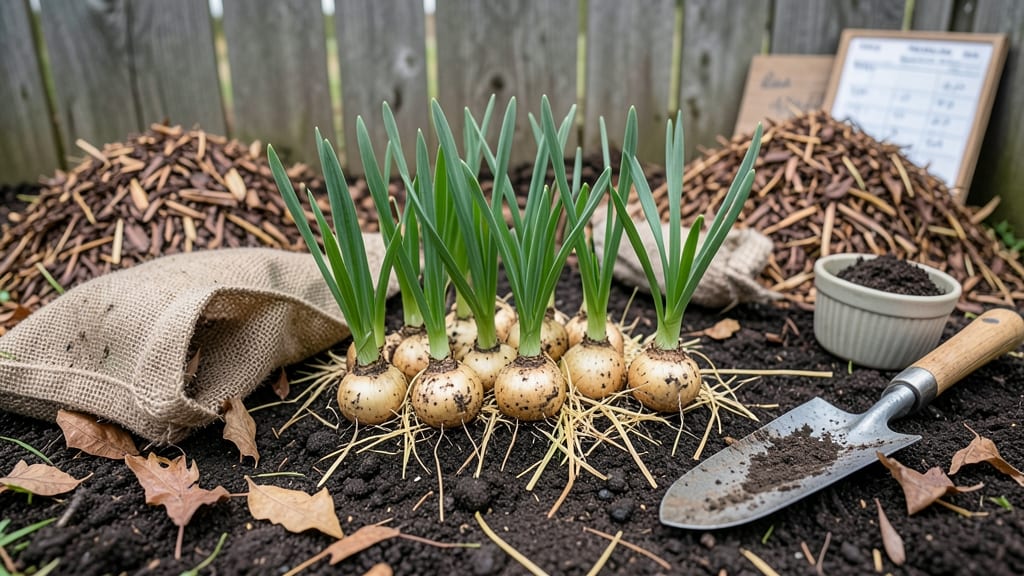
Planting daffodils in Minnesota at the wrong time can mean the difference between a stunning spring display and wasted effort. With Zone 4B's unpredictable frost dates, timing is everything for these hardy but sensitive bulbs.
The key lies in understanding when the ground cools enough for root establishment but before winter freezes lock everything in place.
Most Minnesota gardeners swear by planting between September and November, but there's a science to it. You want those daffodil bulbs 🌼 to establish roots before the ground freezes - typically around mid-October in most years.
This window gives them just enough time to anchor before winter dormancy sets in.
What makes this tricky? Minnesota's early frosts can arrive unexpectedly, and planting too late risks shallow roots that won't survive winter's freeze-thaw cycles. I'll show you exactly how to read your local frost charts and adjust your planting schedule for maximum success.
Whether you're a first-time gardener or a seasoned pro, getting this timing right means fewer blooms lost to winter's whims. Let's dive into the perfect planting strategy that'll have your yard bursting with color come spring - without the guesswork.
Ideal planting windows for daffodils in Minnesota’s zone 4B climate
Minnesota’s Zone 4B climate demands precise timing for daffodil planting. The optimal window is between mid-September and mid-November, allowing bulbs to establish roots before the ground freezes. This timing ensures robust spring blooms while avoiding late frost damage that can devastate tender shoots.
Daffodils thrive when planted 4-6 weeks before the average first frost (typically October 15 in Minnesota). Planting too early risks rotting bulbs, while late planting may leave them vulnerable to winter desiccation. Understanding these seasonal cues is critical for success.
For extra protection, aim to plant daffodils by October 1 in northern Minnesota or mid-November in southern regions. Use local frost charts from the Minnesota Department of Agriculture to refine your schedule each year.
🌼
| Planting Window | Soil Temperature | Frost Risk | Minnesota Adjustments |
|---|---|---|---|
| Mid-September to October 1 | 50-60°F | Low | Best for northern MN |
| October 1-15 | 40-50°F | Moderate | Ideal for most of MN |
| Mid-November | 32-40°F | High | Southern MN only |
| Spring Planting | 40-50°F | Very High | Not recommended |
Spring planting is not recommended in Minnesota because daffodils need root establishment time before summer heat arrives. If you must plant in spring, do so as early as April and use extra mulch to protect emerging shoots from late frosts.
For container gardening, extend your planting window by using black plastic mulch or heat mats to warm soil. This can push planting into early December in sheltered microclimates, but monitor soil temps closely.
Always test your soil’s moisture content before planting. Daffodils prefer well-draining soil with a pH of 6.0-7.0. Amend heavy clay soils with compost or sand to prevent waterlogging, which can rot bulbs before winter.
Use local weather forecasts to track soil temperature trends. When nighttime temps consistently drop below 40°F, it’s time to cover planted bulbs with straw mulch (4-6 inches thick) for added insulation.
🌱
Ideal planting windows for daffodils in Minnesota’s zone 4B climate
Minnesota's Zone 4B climate creates a narrow window for planting daffodils 🌼 that balances root establishment with frost protection. The optimal planting window spans from mid-September through early November, with October being the sweet spot for most regions.
This timing ensures bulbs develop sufficient roots before the ground freezes - typically around mid-October in southern Minnesota and earlier in northern areas.
For gardeners in Twin Cities area (Zone 4A/4B), aim for planting between September 20th and October 15th. Northern Minnesota gardeners should shift this window slightly earlier, targeting September 1st to October 1st to account for earlier frost dates.
The key metric is soil temperature: plant when soil reaches 50°F (10°C) consistently during the day.
🌼 Planting Window Comparison
| Planting Period | Soil Temp Requirement | Frost Risk | Root Establishment |
|---|---|---|---|
| Mid-September | 55-60°F (13-16°C) | Low (early frost rare) | Good (6+ weeks before freeze) |
| October (ideal) | 50-55°F (10-13°C) | Moderate (frost likely late month) | Optimal (4-6 weeks before freeze) |
| Early November | 45-50°F (7-10°C) | High (frost imminent) | Poor (limited root growth) |
| Late November | Below 40°F (4°C) | Very High | None (bulbs may freeze) |
Spring planting is possible but less reliable in Minnesota. If you must plant in spring, do so as early as possible - March to early April - when soil temperatures reach 50°F (10°C) consistently.
Spring-planted bulbs may not bloom until their second year, as they need time to establish roots before winter.
For gardeners in southern Minnesota (Zone 4B/5), you have slightly more flexibility. The last frost typically occurs around April 15th, giving you a longer window for spring planting.
However, fall planting remains superior for reliable blooms. Always check your local USDA frost charts or use the National Weather Service's frost prediction tool for precise timing.
Pro tip: Use a soil thermometer to verify ground temperatures. Plant when readings consistently show 50°F (10°C) during the day and 40°F (4°C) at night. This ensures bulbs can root without freezing immediately. In my experience, this simple tool prevents costly timing mistakes that waste expensive bulbs.
Remember that daffodil varieties affect timing slightly. Smaller varieties like 'Tête-à-Tête' can handle slightly later planting, while larger types like 'Ice Follies' need the full 6-week root establishment window. Always verify your specific variety's requirements before planting.