
Plants
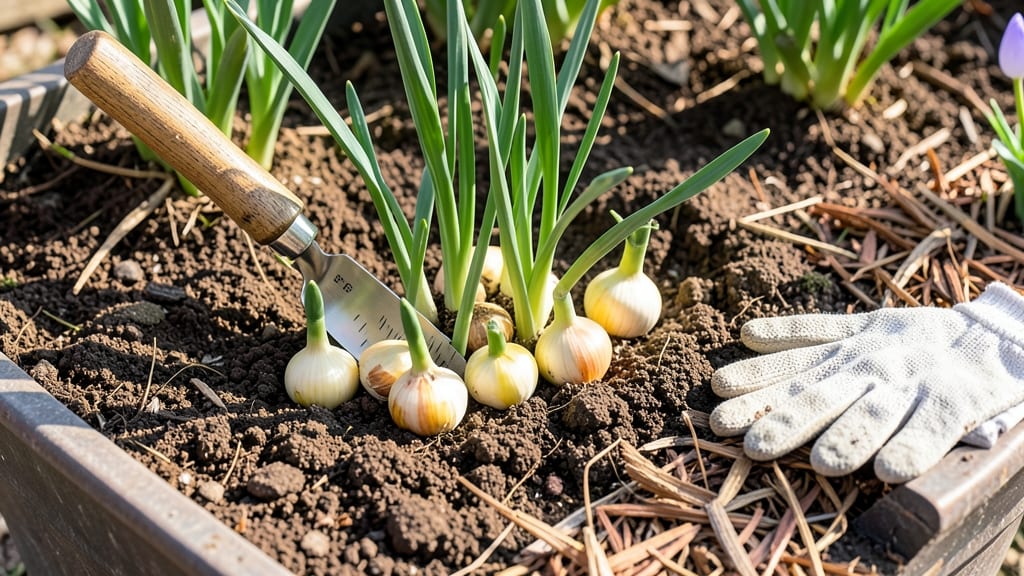
Planting daffodil bulbs in Virginia at the wrong time can mean frost damage—or worse, no blooms at all. These cheerful 🌼 flowers thrive when planted in fall, but Virginia’s diverse climate zones (6a-8a) demand precision timing to ensure success.
Most gardeners in Virginia know fall is the ideal window, but the exact timing depends on your location. Planting too early risks rot, while late planting can leave bulbs vulnerable to winter frost.
The key is getting them in the ground 6-8 weeks before the first frost, typically between October and mid-November.
In this guide, I’ll break down the perfect planting window for your Virginia zone, including soil temperature tips and how to adjust for early or late winters. You’ll also discover the best bulb depth and spacing to protect your investment from Virginia’s unpredictable weather.
Whether you’re a seasoned gardener or new to daffodils, these insights will help you plant with confidence—so you can enjoy vibrant blooms come spring. Let’s get started!
Virginia planting zones & exact fall deadlines for daffodil bulbs
Virginia’s USDA zones 5b-8a create a 6-week window for planting daffodil bulbs, but missing it means frost damage or skipped blooms. Most gardeners in northern VA (Zone 6-7) should plant between mid-October and mid-November, while southern VA (Zone 7-8) has until early December.
The key? Plant when soil temps hit 60°F—that’s your 6-8 week frost-free window.
Daffodils need 6-8 weeks to establish roots before winter. In Zone 6b (northern VA), that means starting by October 15.
In Zone 7b (central VA), you’ve got until November 1. Zone 8a (southern VA) gardeners can plant until December 1, but don’t wait too long—bulbs need chilling time to bloom.
Here’s the hard deadline: Never plant after the first hard frost. In northern VA, that’s usually November 15, while southern VA can stretch it to December 10.
Late planting means bulbs won’t root deeply enough, leaving them vulnerable to freeze-thaw cycles that split bulbs or kill emerging shoots.
🌼Pro Tip: Use your local extension office’s frost date maps (like Virginia Cooperative Extension) for your exact county. For example, Roanoke (Zone 7a) has a November 1 cutoff, while Richmond (Zone 7b) can go until November 15.
🌱 Virginia Daffodil Planting Deadlines by Zone
| USDA Zone | Virginia Regions | Ideal Planting Window | Hard Deadline (First Frost) | Soil Temp Threshold |
|---|---|---|---|---|
| 5b-6a | Northern VA (e.g., Shenandoah Valley) | Mid-October to October 31 | November 10-15 | 60°F (15°C) |
| 6b-7a | Central VA (e.g., Charlottesville, Roanoke) | October 15 to November 1 | November 15-20 | 60°F (15°C) |
| 7b-8a | Southern VA (e.g., Richmond, Norfolk) | October 30 to December 1 | December 1-10 | 60°F (15°C) |
⚠️ Note: Late November planting in Zone 6b risks shallow roots—use extra mulch (3-4 inches) to insulate bulbs.
Missed the window? Don’t panic—you can still plant daffodils in January for spring blooms, though they may not be as robust. The trade-off is less chilling time, which can delay or reduce flowering.
For best results, stick to fall planting and adjust based on your microclimate (e.g., low spots frost later than hilltops).
For container gardening in Virginia, plant bulbs in October-November too, but use larger pots (12+ inches deep) to mimic in-ground conditions. Smaller pots (under 8 inches) may not provide enough insulation for winter. Always include drainage holes—daffodils hate soggy roots.
💡 Local Tip: Check Virginia Master Gardener reports for your area—some years, early frosts hit by October 20, especially in mountain regions. If you’re unsure, plant 2 weeks early rather than late.
Finally, soil temperature is your best friend for timing. Use a soil thermometer ($10 at garden centers) to confirm 60°F soil temps.
In northern VA, this usually happens by mid-October, while southern VA may not hit it until late October. Plant too early (soil >70°F), and bulbs may sprout prematurely—a death sentence in winter.
Critical factors that determine your perfect planting window
Timing your daffodil bulb planting in Virginia isn’t just about the calendar—it’s about understanding soil temperature, frost dates, and even your bulb variety. In USDA zones 6a-8a, soil must reach 60°F or below for 4-6 weeks before planting to encourage root growth without sprouting too early.
Northern Virginia (zones 6a-6b) has earlier frosts, so aim for mid-October to early November. Southern Virginia (zones 7a-8a) can plant later, up to mid-November, but never after the ground freezes. Always check your local first frost date—planting 6-8 weeks before is the golden rule.
Your bulb variety also matters. Early-blooming daffodils (like 'Ice Follies') need cooler soil, while late varieties (like 'Tête-à-Tête') tolerate slightly warmer conditions. Smaller bulbs (2-3 inches) establish faster than large ones (4+ inches), so adjust timing accordingly.
Moisture plays a critical role too. Daffodils need consistent soil moisture after planting to root but can’t handle soggy soil. In Virginia’s wet fall seasons, plant in raised beds or well-draining soil to avoid rot.
Aim for 6-8 inches deep and 3-6 inches apart—this spacing prevents overcrowding and fungal issues.
⚠️ Late Planting Warning
Planting daffodils after November 15 in Virginia risks frost damage. Bulbs need 4-6 weeks to root before winter. If you miss the window, store bulbs in a cool, dark place (like a garage) and plant in early spring—though blooms may be delayed.
Adjust for Virginia’s unpredictable winters. If your area had an early frost last year, plant 2 weeks earlier this fall. Conversely, if winters are mild (like in zones 7b-8a), you can push planting to early December.
Always test soil temperature with a soil thermometer—aim for 50-60°F at planting depth.
Finally, don’t overlook companion planting. Pair daffodils with alliums or tulips to deter squirrels and deer, which love fresh bulbs. Mulch with 2-3 inches of straw after planting to insulate bulbs and retain moisture through winter.