
Plants
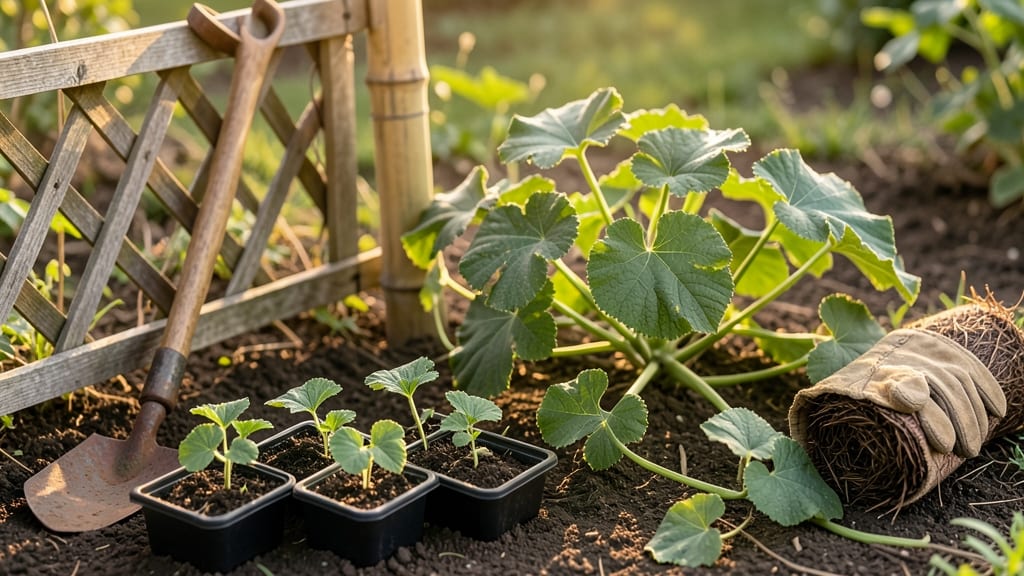
Timing your cucumber planting in Northern California is the secret weapon between a garden full of 🥒 and one that barely survives the first frost. With coastal 9b-10a zones and inland 8a-9a valleys playing by different rules, getting it wrong could mean waiting another year for that first crisp slice. The good news? A few simple adjustments—like knowing when soil hits 60°F—can turn your patch into a year-round producer.
Most gardeners in the Bay Area rush to plant too early, only to watch their seedlings wilt when coastal fog lingers past March 15. Meanwhile, Central Valley growers often wait too long, missing the March-May window when daytime highs finally cooperate.
Whether you're in Santa Cruz or Stockton, the key is matching your schedule to your microclimate—not the calendar.
In this guide, I’ll break down the exact planting windows for your zone, plus pro tips to beat Northern California’s unpredictable weather. You’ll learn how to stretch your harvest from June to October (coastal) or May to September (inland) by using row covers, soil warmers, and the right varieties.
No more guesswork—just a 🥒-packed season ahead.
Ready to turn your backyard into a cucumber powerhouse? Let’s get started with the dates and tricks that actually work for your corner of the state.
Northern California cucumber planting dates by microclimate zone (frost-free timing guide)
Northern California’s diverse microclimates create wildly different planting windows for cucumbers. Coastal areas like the San Francisco Bay Area enjoy longer frost-free seasons, while inland Central Valley zones face earlier heat spikes. Understanding these variations ensures your cucumber vines thrive without frost damage or wasted effort.
For accurate timing, focus on two critical factors: average last frost dates and soil temperature thresholds. Cucumbers need 60-70°F soil to germinate successfully.
Coastal regions typically wait until mid-April to early June, while inland valleys can start as early as March—but only if nighttime temps stay above 50°F.
| Zone | Last Frost Date | Planting Window | Soil Temp Threshold | Harvest Window |
|---|---|---|---|---|
| Coastal (SF Bay Area) | March 15 | Mid-April to early June | 60-70°F (15-21°C) | June to October |
| Central Valley (Sacramento/Stockton) | February 15 | March to early May | 65-75°F (18-24°C) | May to September |
| Foothills (Santa Cruz Mountains) | March 1 | Late April to May | 60-68°F (15-20°C) | June to September |
Note: Use black plastic mulch to warm soil faster in cooler zones.
If you’re in the Central Valley, start seeds indoors 4-6 weeks before your target planting date. Transplant seedlings outdoors only after nighttime temps consistently stay above 55°F. Coastal gardeners should wait until after May 15 to avoid late-season fog delays, which can stunt growth.
For foothill regions, prioritize heat-tolerant varieties like 'Straight Eight' or 'Marketmore 76'. These handle the hotter afternoons common in areas like Santa Cruz Mountains without bolting prematurely. Always check USDA Zone 9b-10a guidelines for your specific elevation.
Pro tip: Use a soil thermometer to confirm readiness. Plant when soil hits 65°F+ for 3 consecutive days. This small investment prevents seed rot and ensures vigorous germination in Northern California’s unpredictable spring weather.
Remember, successive planting can extend your harvest. After your first batch matures in June or July, sow a second round of fast-maturing varieties like 'Bush Champion' to keep cucumbers coming until first frost. This doubles your yield in regions with shorter growing seasons.
Local UC Master Gardener programs recommend waiting until after Memorial Day in coastal zones to avoid early-morning chills. These microclimates can drop below 40°F even in May, which is lethal for young seedlings. Always monitor weekly frost forecasts from the National Weather Service.
For container growers, use heat-mat trays to maintain soil temps. These are especially useful in urban microclimates where concrete absorbs daytime heat but radiates cold at night. Place pots near south-facing walls to maximize warmth during cooler coastal springs.
Finally, mark your planting calendar with these key dates:
- March 15: Coastal last frost (plan for mid-April starts)
- April 15: Central Valley soil warming (ideal for early seeds)
- May 1: Foothill readiness (wait for stable 60°F+ soils)
Always pair these dates with moon planting phases for optimal root development—especially in Northern California’s clay-heavy soils.
Northern California cucumber planting dates by microclimate zone (frost-free timing guide)
Northern California’s diverse microclimates create wildly different planting windows for cucumbers. Coastal areas like the San Francisco Bay Area enjoy longer frost-free seasons, while inland valleys like Sacramento face earlier heat spikes.
The key is aligning your planting with soil temperatures (minimum 60°F) and local frost dates—coastal zones can start 2-3 weeks later than inland areas.
For coastal regions, aim for mid-April to early June when nighttime temps stay above 50°F. Inland valleys should plant March to early May to beat summer heat. The Santa Cruz Mountains fall somewhere in between, with late April to early June being ideal.
Always check your USDA zone (typically 8a-10a) and local last frost averages—coastal areas average March 15, while inland valleys see frost by February 15.
| Microclimate Zone | Planting Window | Soil Temp Threshold | Last Frost Date | Harvest Window |
|---|---|---|---|---|
| Coastal (SF Bay Area) | Mid-April to early June | 60-70°F | March 15 | June to October |
| Central Valley (Sacramento) | March to early May | 60-70°F | February 15 | May to September |
| Foothills (Santa Cruz Mtns) | Late April to early June | 60-70°F | March 1 | June to October |
🌱 Pro Tip: Use a soil thermometer to confirm 60°F+ before planting.
If you’re in a transition zone (like the East Bay or Napa Valley), err on the side of caution. Plant 2-3 weeks later than inland dates to avoid late spring frosts.
For container gardening, start seeds indoors 4-6 weeks before your zone’s last frost date—this gives you flexibility to move pots outdoors when conditions are safe.
Northern California’s unpredictable weather means even the best-laid plans can go awry. Coastal fog can delay soil warming, while inland valleys may experience heatwaves by June. To hedge your bets, consider successive planting: Sow a second batch 2-3 weeks after your initial planting.
This ensures a steady harvest even if the first batch faces pests or heat stress.
For soil preparation, focus on well-draining, nutrient-rich soil with a pH of 6.0-6.8. Amend heavy clay soils with compost or aged manure to improve drainage. Inland growers should use black plastic mulch to warm soil faster—this can shave 1-2 weeks off your planting timeline.
Always water thoroughly 1-2 days before planting to encourage root growth.
Remember: Cucumbers are heat-lovers, but they’ll bolt (produce flowers without fruit) if stressed by extreme heat or drought. In inland valleys, provide afternoon shade during July-August to protect vines.
Coastal growers should monitor for powdery mildew—a common issue in foggy conditions—and space plants 12-24 inches apart for airflow. With the right timing, your cucumber vines will reward you with bountiful harvests all summer long! 🥒