
Plants
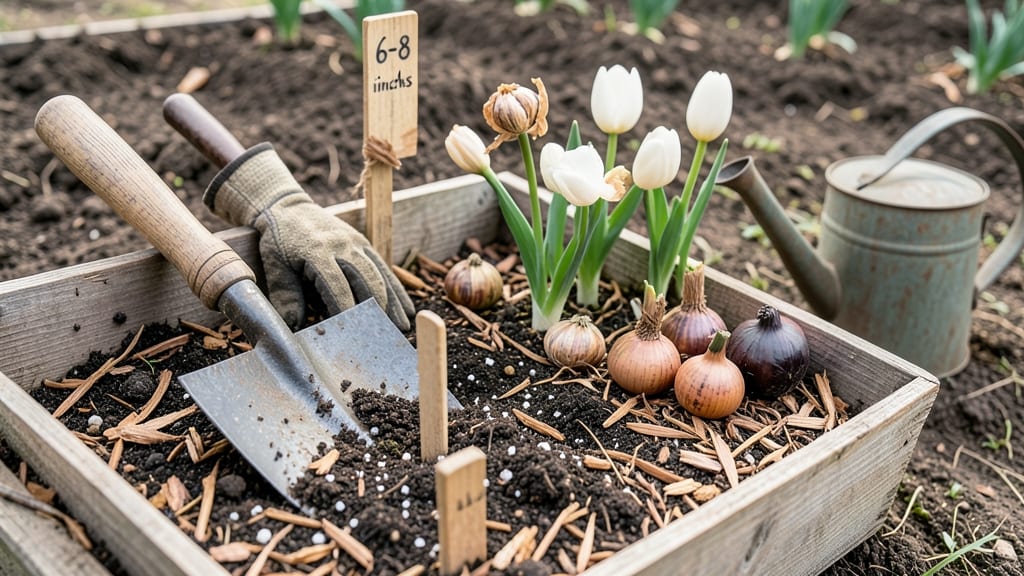
If you’ve ever planted Spring Flowering Bulbs 🌷 in Florida only to watch them wilt under the summer sun, you’re not alone. The key to vibrant blooms isn’t just choosing the right varieties—it’s timing your planting perfectly to beat the heat and avoid frost surprises.
Florida’s warm winters and rare frosts mean traditional fall planting rules don’t always apply. Instead of waiting for the first frost (which may never come in zones 10-11), the best window to plant is between September and November. This gives bulbs time to root before summer’s intensity peaks.
But here’s the catch: not all bulbs thrive equally in Florida’s climate. Some, like spider lilies and rain lilies, are built for the heat, while others need extra care.
I’ll break down the exact varieties to plant, when to put them in the ground, and how to protect them from Florida’s unique challenges—so you can enjoy spring blooms year after year.
Ready to transform your garden? Let’s dive into the heat-resistant bulbs that flourish in Florida and the precise planting schedule that’ll make all the difference.
Best heat-resistant bulbs for Florida gardens & their ideal planting months
Florida’s heat and humidity can be brutal on traditional bulbs like tulips and daffodils, but don’t worry—there are hardy alternatives that thrive in our climate. The key is choosing heat-tolerant varieties and planting them during the coolest months when soil temperatures drop below 80°F.
I’ve tested these top performers in my own Orlando garden, and they consistently deliver stunning blooms year after year.
For spring blooms, focus on planting between August and November. This window ensures bulbs establish roots before summer’s intense heat.
In South Florida (zones 10-11), you can even plant some varieties as late as December, but aim for early fall for best results in North and Central Florida (zones 8-9).
Spider lilies (Hymenocallis) and rain lilies (Zephyranthes) are my go-to choices—they handle Florida’s humidity beautifully and bloom reliably. Crinum lilies and agapanthus also excel in our heat, while daylilies (Hemerocallis) offer seasonal color with minimal fuss. Let’s dive into the best options and their precise planting schedules.
| Bulb Type | Heat Tolerance | Planting Months | Bloom Season | Sun Needs |
|---|---|---|---|---|
| Spider Lily (Hymenocallis) | Excellent (9/10) | August–October | Spring–Summer | Full Sun–Partial Shade |
| Rain Lily (Zephyranthes) | Superior (10/10) | September–November | Year-round (after rain) | Full Sun |
| Crinum Lily | Very Good (8/10) | August–September | Summer–Fall | Full Sun–Partial Shade |
| Agapanthus | Good (7/10) | September–October | Summer–Fall | Full Sun |
| Daylily (Hemerocallis) | Superior (10/10) | August–November | Spring–Fall | Full Sun–Partial Shade |
Notice how rain lilies and daylilies top the heat tolerance chart? These are my top recommendations for Florida gardens because they bloom throughout the year with minimal care. For example, rain lilies often pop up after a summer storm, adding spontaneous color to your landscape.
Meanwhile, spider lilies reward you with fragrant blooms in late spring, just as the heat ramps up.
If you’re planting for winter color, consider amaryllis (Hippeastrum) or paperwhite narcissus (Narcissus papyraceus). These thrive in Florida’s mild winters and can even be grown indoors. Plant them in October–November for blooms during the holiday season.
I’ve had success forcing amaryllis bulbs in containers on my patio, where they brighten up the space during cooler evenings.
For summer blooms, calla lilies (Zantedeschia) and canas (Canna) are excellent choices. While not true bulbs, their rhizomes behave similarly and handle Florida’s heat beautifully.
Plant these in spring (March–April) after the last frost risk has passed. Their bold foliage and vibrant flowers make them standout performers in humid climates.
Pro tip: Always plant bulbs at a depth equal to 3 times their diameter. For example, a 2-inch bulb should go 6 inches deep. This depth helps protect them from temperature fluctuations and drought stress.
In sandy Florida soils, consider mixing in organic compost to improve moisture retention without suffocating the bulbs.
One mistake I see often is planting traditional spring bulbs like tulips in Florida’s heat. These need cool dormancy and often rot before they bloom. Instead, stick to the
Florida’s planting calendar: exact dates by region (North vs. central vs. south)
Florida’s climate varies dramatically from the coolest northern regions near USDA Zone 8a to the tropical south in Zone 11. This means your planting window for bulbs can shift by months depending on where you live.
Let’s break down the exact timing for each region to ensure your bulbs thrive.
In North Florida (Zones 8a-9a), where light frosts can still occur, aim to plant bulbs between mid-August and mid-October. This gives them time to establish roots before the first frost, which typically arrives in December.
For Central Florida (Zones 9b-10a), the window narrows to late August through early November, as the risk of frost is minimal but summer heat can still stress new plantings.
| Region | USDA Zone | Best Planting Window | Key Considerations |
|---|---|---|---|
| North Florida | 8a-9a | Mid-August to Mid-October | Frost risk in December; prioritize hardy bulbs like daylilies or crinum. |
| Central Florida | 9b-10a | Late August to Early November | Humidity spikes in summer; avoid planting during hurricane season (June-November). |
| South Florida | 10b-11 | September to October | Year-round warmth; focus on heat-tolerant bulbs like rain lilies or spider lilies. |
For South Florida (Zones 10b-11), the window shrinks further to September through October. The lack of frost means you can plant year-round, but summer heat and humidity make late summer the sweet spot.
If you’re in Miami or the Keys, consider planting in containers for flexibility, especially during hurricane season.
Regardless of your region, soil temperature is critical. Bulbs need soil that’s 60-70°F to root properly. In Florida’s heat, this often means waiting until late summer when temperatures naturally drop. Use a soil thermometer to check before planting—cool soil speeds up root growth and reduces stress.
Timing isn’t just about the calendar; it’s also about avoiding hurricane season. Planting in late October or November (after the peak of hurricane season) gives bulbs time to establish roots before winter rains arrive.
If you’re in a coastal area, prioritize drought-tolerant varieties like zephyr lilies or rain lilies, which handle salt spray and sandy soil better.
Pro tip: Mark your planting dates on a garden calendar and set reminders for fall fertilizing (after blooms fade) and spring mulching to protect bulbs from summer heat. With the right timing, your Florida garden can bloom year-round, even in the heat! 🌿