
Plants
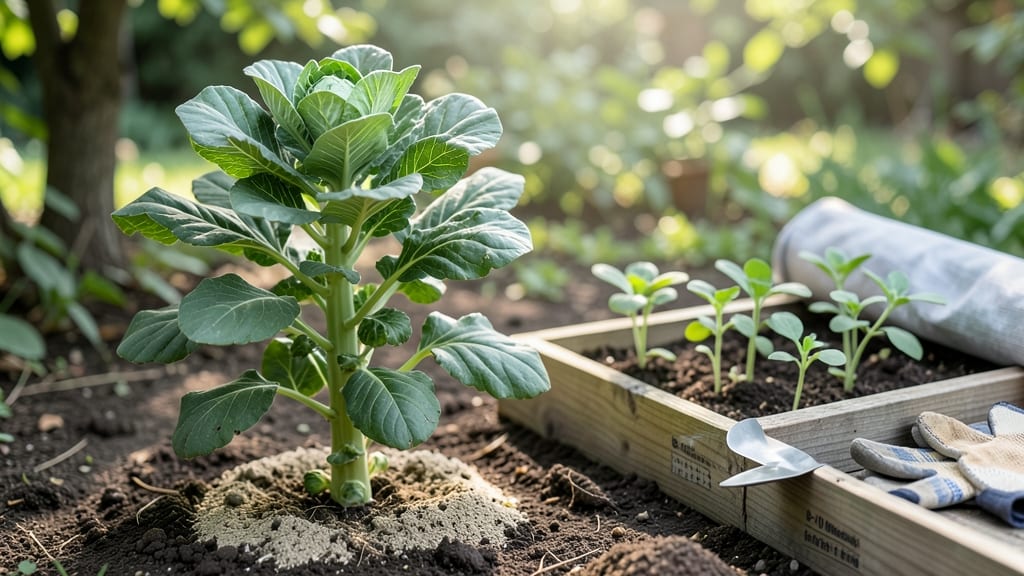
If you're dreaming of a garden packed with sweet, crisp 🥦 brussel sprouts, when to plant brussel sprouts in Zone 8 is the first question you need to answer—because timing is everything.
Planting them too early means bolting, too late risks frost damage, and neither scenario gives you that perfect harvest. The key lies in a narrow window where temperatures cooperate, and I’ve got the exact schedule to help you nail it.
Zone 8’s mild winters and warm summers create unique challenges for brussel sprouts, but with the right approach, you can still grow a bumper crop. Whether you’re a seasoned gardener or just starting, knowing when to sow—whether in late summer or early fall—makes all the difference.
Let’s break down the best times to plant for a harvest that’ll impress even the pickiest eaters.
Most gardeners in Zone 8 focus on fall planting, but there’s actually a second chance in spring for those who plan ahead. I’ll walk you through the ideal soil temps, frost dates, and even how to extend your growing season with simple tricks.
By the end, you’ll know exactly when to pop those seeds in the ground for the most flavorful, high-yielding 🥦 brussel sprouts possible.
Ready to avoid the common mistakes that turn your sprouts bitter or stunted? Stick around—I’ll share the secrets to timing your plantings like a pro, so you can enjoy fresh harvests from November through January. No more guesswork, just delicious results.
Optimal planting windows for brussel sprouts in Zone 8
Brussel sprouts love cool weather, but in Zone 8, the timing must be precise to avoid heat stress or early bolting. The best window is late summer to early fall, specifically August through early September.
This gives plants enough time to mature before cooler temperatures arrive, ensuring sweet, flavorful sprouts.
Zone 8 typically experiences its first frost between mid-November and December, so planting 8-10 weeks before frost is ideal. For example, if your frost date is November 15th, aim to plant by September 1st to allow a full 90-day growing season.
This timing avoids the scorching summer heat while capitalizing on the mild fall temperatures brussel sprouts crave.
For direct sowing, wait until the soil temperature drops below 80°F—usually late August. If you start indoors in June, transplant seedlings outdoors in early August to give them a head start. Seedlings need 6-8 weeks to establish before cooler weather sets in, so don’t delay transplanting.
Here’s the key rule: Plant too early, and your sprouts will bolt in the heat; plant too late, and they won’t mature before frost. The sweet spot is late August to early September, when daytime temps hover around 75-80°F and nights cool down.
Pro Tip: Check your local frost dates (USDA Plant Hardiness Zone 8 maps are a great resource). Coastal areas may have later frosts than inland regions, so adjust your planting window accordingly. For instance, San Diego (Zone 10) can plant later than Austin (Zone 8b).
| Planting Method | Best Time | Soil Temp | Days to Maturity | Notes |
|---|---|---|---|---|
| Direct Sowing | Late August - Early September | Below 80°F | 90-120 days | Best for warm Zone 8a; avoid heat stress. |
| Seedlings (Transplant) | Early August - Mid-August | 60-75°F | 80-100 days | Head start avoids bolting; harden off seedlings first. |
| Succession Planting | Early September - Late September | 55-70°F | 70-90 days | Extend harvest into winter; use row covers. |
If you’re in Zone 8b or 8a, prioritize direct sowing in late August for a fall harvest. For Zone 8c (cooler microclimates), you can push planting to early September and even attempt a spring crop in February for an early summer harvest before the heat sets in.
Always choose cold-hardy varieties like 'Long Island Improved' or 'Ruby Ball' for Zone 8. These varieties tolerate light frosts and produce sweeter sprouts after a 28°F chill. Avoid heat-loving varieties like 'Jade Cross', which struggle in Zone 8’s summer.
Finally, test your soil pH before planting—brussel sprouts thrive in 6.0-7.0 pH. Amend with compost or lime if needed, and mulch with straw or leaves to retain moisture and regulate soil temperature.
With the right timing and care, your Zone 8 garden can yield bountiful, sweet brussel sprouts from late fall through winter.
🌱
Optimal planting windows for brussel sprouts in Zone 8
Brussel sprouts love cool weather, but in Zone 8, timing is everything to avoid heat stress or early frost damage. The sweet spot is late summer to early fall, when temperatures drop below 80°F but before the first frost.
For most of Zone 8, this means planting between mid-August and early September, with a secondary window in late June for spring harvests (though yields may be smaller).
Zone 8’s first frost date typically arrives between mid-November and December, so aim to plant 8-10 weeks before frost to ensure mature sprouts before cold sets in. For example, if your frost date is November 15, plant by September 15 for a full harvest.
Coastal areas may have slightly later frost dates, while inland regions should plant earlier to account for colder nights.
🌱 Zone 8 Planting Timeline for Brussel Sprouts
| Planting Window | Soil Temp | Days to Harvest | Frost Risk |
|---|---|---|---|
| Late June - Early July | 60-70°F | 90-120 days | Low (spring harvest) |
| Mid-August - Early September | 55-65°F | 80-100 days | Moderate (fall harvest) |
| Late September (succession) | 50-60°F | 70-90 days | High (winter harvest) |
💡 Pro Tip: Use row covers to extend harvests into winter if frost arrives early.
For direct sowing, wait until soil temperatures drop below 75°F to prevent bolting. Test soil with a thermometer—ideal temps are 55-65°F. If your summer heat lingers, opt for shade cloth or start seeds indoors 6-8 weeks before transplanting in late summer.
Varieties like 'Long Island Improved' or 'Ruby Ball' handle Zone 8’s heat better than others.
Soil preparation is key: Brussel sprouts thrive in well-draining, slightly acidic soil (pH 6.0-7.0). Amend clay-heavy soil with compost or sand to prevent waterlogging, which causes rot. Add a balanced fertilizer (10-10-10) at planting and side-dress with compost 4-6 weeks later to support growth without bitter flavors.
If you miss the fall window, don’t despair—succession planting in late September can yield a smaller crop before winter. Just be prepared to protect plants with frost blankets or move pots indoors during hard freezes. With the right timing, you’ll enjoy fresh, homegrown sprouts from November through January!
Remember, Zone 8’s microclimates vary: Coastal areas may have 2-3 weeks later frost dates than inland zones. Check your local USDA frost map or ask nearby gardeners for precise timing. A little planning ensures your Brussel sprouts stay sweet, not bitter! 🥦