
Planting
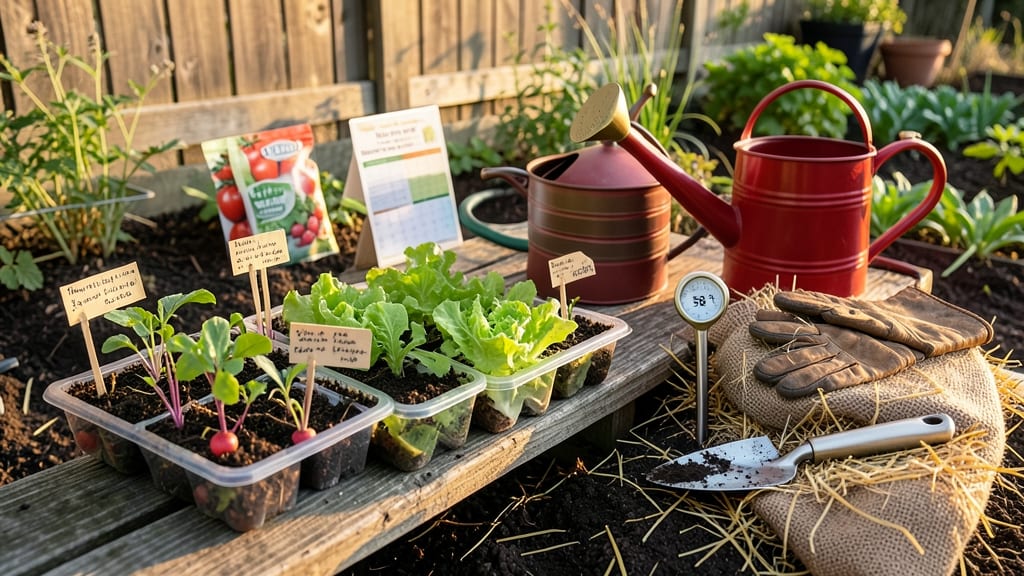
Timing when to plant a vegetable garden in Missouri could mean the difference between a bumper crop and a sad, wilted disappointment.
With frost dates that shift from March 15 in the north to as late as April 15 in the south, getting it wrong means either freezing your seedlings or missing peak harvests.
I’ve spent years watching Missouri’s 🥬 gardens thrive—and fail—because of planting mistakes. The key isn’t just knowing when to plant, but understanding how your specific USDA zone (like 5b or 7a) affects your schedule.
Cool-season crops like spinach and peas can handle early starts, while tomatoes and peppers need to wait until the soil warms.
In this guide, I’ll break down the exact planting windows for your region, from frost-free dates to succession planting tips that keep your garden producing all season. No more guessing—just a clear, actionable plan to grow more food with less stress.
Ready to turn your Missouri garden into a year-round harvest? Let’s get started with the critical planting calendar you’ve been missing.
Missouri frost dates by region: critical planting windows for vegetables
Missouri spans USDA hardiness zones 5b through 7a, meaning frost dates vary dramatically from northern Missouri (like St. Joseph) to southern Missouri (like Cape Girardeau).
The average last spring frost ranges from March 15 in St. Louis to April 10 in Kansas City, while the first fall frost hits as early as October 1 in northern regions but can linger until November 1 in southern Missouri.
These dates determine whether your tomatoes or peas thrive—or fail.
To pinpoint your exact frost dates, use the Missouri Botanical Garden’s interactive frost map or check the University of Missouri Extension’s planting calendar. These tools account for microclimates (like urban heat islands or hilltops) that can shift frost dates by 1-2 weeks.
For example, Columbia’s last frost is typically March 22, while Springfield’s is March 29—a critical difference for warm-season crops like peppers.
Understanding these regional differences helps you align your planting schedule with your local climate. Cool-season crops like spinach and carrots can handle light frosts, while warm-season crops like cucumbers and squash need consistent warmth. Planting too early risks frost damage; too late, and you’ll miss peak harvests.
Here’s how to use frost dates to plan your garden:
| Region | USDA Zone | Avg. Last Spring Frost | Avg. First Fall Frost | Frost-Free Days | Planting Window for Warm-Season Crops |
|---|---|---|---|---|---|
| Northern MO (St. Joseph) | 5b | March 15 | October 1 | 165 days | After May 1 |
| Central MO (Columbia) | 6a | March 22 | October 15 | 175 days | After April 15 |
| St. Louis Metro | 6b | March 15 | October 20 | 185 days | After April 1 |
| Southern MO (Cape Girardeau) | 7a | March 1 | November 1 | 200 days | After March 15 |
For cool-season crops, like lettuce or radishes, plant 4-6 weeks before your last frost date. For example, in St. Louis (Zone 6b), that means starting seeds by February 15 for an early spring harvest. Meanwhile, warm-season crops like tom
Best planting times for Missouri vegetables: a month-by-month crop calendar
Missouri’s vegetable planting calendar revolves around two key dates: your last spring frost (typically mid-March to early April) and your first fall frost (usually mid-October).
Cool-season crops like lettuce and peas thrive when planted 4-6 weeks before the last frost, while warm-season favorites like tomatoes and peppers need soil temperatures above 60°F to germinate successfully.
To simplify planning, I’ve organized this guide by monthly planting windows, including when to start seeds indoors, transplant seedlings, and direct-sow outdoors.
Missouri’s USDA zones 5b-7a mean you’ll need to adjust slightly based on your region—northern areas (like St. Joseph) have shorter growing seasons than southern zones (like Poplar Bluff).
📅 Missouri Vegetable Planting Calendar
| Month | Cool-Season Crops (Direct Sow) | Warm-Season Crops (Start Indoors) | Transplant Outdoors |
|---|---|---|---|
| February | Spinach, Peas, Lettuce (under row covers) | Tomatoes, Peppers, Eggplants (6-8 weeks before last frost) | None |
| March | Carrots, Radishes, Kale, Onions | Continuation (harden off seedlings) | Peppers, Eggplants (after soil warms) |
| April | Beans, Corn, Cucumbers (after last frost) | None (direct-sow warm crops) | Tomatoes, Peppers (when soil ≥60°F) |
| May | Succession plant lettuce, radishes | None | Squash, Zucchini, Basil |
| June-July | None (too hot for cool crops) | None | Late tomatoes, peppers (succession plant) |
| August | Spinach, Kale, Lettuce (for fall harvest) | None | None |
🌱 Pro Tip: Use row covers to extend early spring planting by 2-3 weeks for heat-loving crops.
For warm-season crops, timing is everything. Start tomato and pepper seeds indoors in February (6-8 weeks before your last frost date) to give them a head start.
Transplant seedlings outdoors only after the soil temperature consistently stays above 60°F, usually in late April to early May in most of Missouri. If you’re in Zone 5b (northern Missouri), wait until mid-May to avoid frost damage.
Don’t forget about succession planting! Crops like lettuce, radishes, and bush beans can be sown every 2-3 weeks from spring to early summer for a continuous harvest. This technique maximizes your garden space and ensures you don’t end up with a glut of zucchini all at once.
For fall harvests, plant spinach and kale in late summer (August) so they mature before the first frost in October.
Missouri’s humidity and heat can also impact planting. If you’re in southern Missouri (like Sedalia or Poplar Bluff), you might push your tomato and pepper planting into early April because the soil warms faster.
Meanwhile, northern areas (like Columbia or Kansas City) should wait until mid-May to avoid late frosts. Always check the Missouri Botanical Garden’s frost-date map for your exact location.
One common mistake I see is planting warm-season crops too early. Seedlings will linger in cold soil, becoming weak and leggy. Instead, use biodegradable pots and keep seedlings indoors until the soil is warm enough. For