
Companion Plants
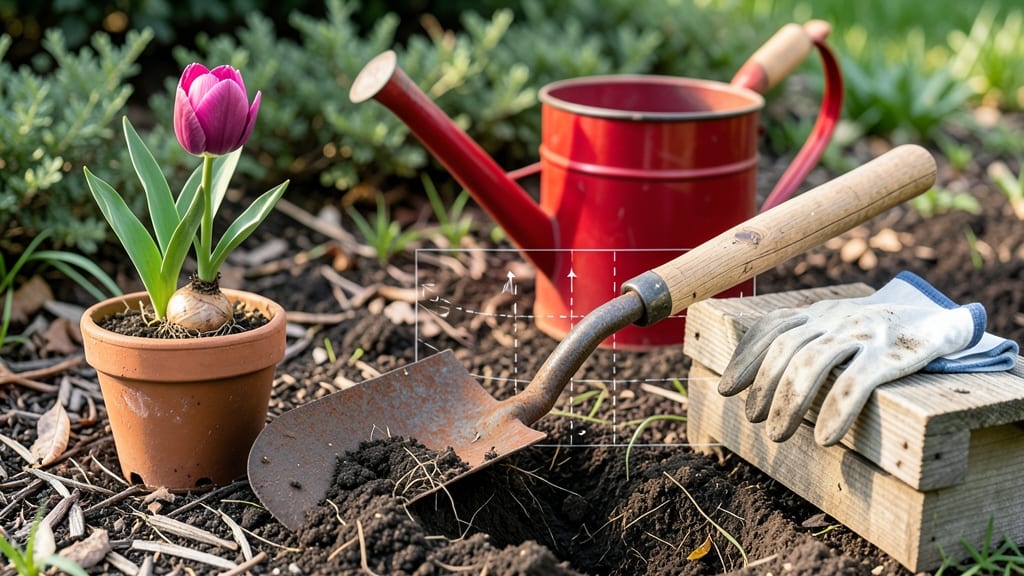
Planting your potted tulips 🌷 in the ground at the wrong time could mean the difference between stunning spring blooms and sad, brown stems. The key to success? Timing it right—when soil temperatures are just right and frost isn’t lurking around the corner.
For most gardeners in USDA Zone 6a, the ideal window opens in September through November for fall planting or March to April in spring. But getting it wrong can shock your plants, leaving them vulnerable to cold damage.
Let me walk you through the exact soil temperature checklist and steps to ensure your tulips thrive after transplanting.
You’ll learn how to test soil readiness, prepare your garden bed, and avoid common pitfalls like planting too early or too late. Whether you’re a seasoned gardener or just starting, these tips will help you transition your potted tulips seamlessly into the ground for a vibrant display next spring.
Don’t guess—follow this zero-frost success guide to give your tulips the best possible start. With the right timing and care, you’ll be rewarded with healthy, blooming plants that bring color to your garden for years to come.
Ideal soil temperature for planting potted tulips outdoors
Planting potted tulips in the ground at the wrong time can stress their roots and lead to poor blooming. The ideal soil temperature for transplanting is between 40°F and 50°F, allowing roots to establish before winter dormancy or summer heat.
This range ensures your tulips adapt smoothly to outdoor conditions without shock.
In USDA zones 3–7, aim for fall planting (September–November) when daytime temps hover around 50°F and nights dip closer to 40°F. Warmer zones (8–10) can plant slightly later, as their first frost arrives later, but never after November 1st to avoid root stress.
For spring planting (March–April), wait until soil warms to at least 50°F and the last frost date has passed. Cold soil can stunt root growth, leaving tulips vulnerable to disease. Use a soil thermometer to check—it’s your best tool for precision.
🌱
| Region (USDA Zone) | Best Planting Window | Soil Temp Range (°F) | Key Consideration |
|---|---|---|---|
| 3–5 (Cold Climates) | September 15–October 15 | 40°F–45°F | Plant early to avoid early frost. |
| 6–7 (Temperate) | October 1–November 1 | 45°F–50°F | Ideal for root establishment. |
| 8–10 (Warm Climates) | November 1–December 15 | 50°F–55°F | Avoid summer heat stress. |
| Spring Planting (All Zones) | After last frost (March–April) | 50°F+ | Soil must be workable and warm. |
If you’re unsure about your local soil temperature, check the National Weather Service or use a soil thermometer (available for under $10).
Dig a small hole near your planting site, insert the probe, and wait 30 seconds for an accurate reading. Morning readings are most reliable since afternoon sun can skew temps.
In container-grown tulips, roots may struggle to adapt if planted in extreme heat or cold. For example, planting in July or August risks root burn, while planting in January can lead to frost damage. Always prioritize 40°F–50°F soil for the best results.
Pro tip: If your soil runs colder than 40°F, wait a week or two. Tulips are hardy but not frost-proof—they need time to acclimate. Use mulch (straw or leaves) after planting to insulate roots if nights drop below freezing.
For urban gardeners, microclimates matter. A south-facing wall warms soil faster than a north-facing bed. Test both spots with a thermometer to find the sweet spot. Even a 5°F difference can affect root health.
Remember: Fall planting is ideal for most regions because tulips establish roots before winter, blooming earlier the next spring. Spring planting works too, but bulbs may take longer to adjust, resulting in delayed or smaller blooms.
🌿
Ideal soil temperature for planting potted tulips outdoors
Your potted tulips 🌷 need the right soil temperature to thrive after transplanting—too cold, and their roots freeze; too warm, and they may sprout prematurely. The sweet spot for planting is between 40°F and 50°F, which aligns with early fall or late spring in most regions.
In USDA Zone 6a, aim for September through November for fall planting or March to April in spring. But soil temps vary by location—colder zones (like Zone 3) may need to wait until late April, while warmer zones (Zone 10) can plant as early as February.
To test soil readiness, use a soil thermometer (insert 4 inches deep) or check local frost-free date forecasts. Tulips planted 4-6 weeks before the first frost give roots time to establish before winter.
| Zone | Ideal Planting Window | Soil Temp Range | Key Consideration |
|---|---|---|---|
| Zones 3–5 | Late September–October | 40°F–45°F | Avoid early frost |
| Zone 6a | September–November | 45°F–50°F | 4–6 weeks before frost |
| Zones 7–10 | February–March | 50°F–55°F | Spring planting only |
If your soil is too cold, mulch the area with straw or leaves to insulate roots. For warm climates, plant in shade temporarily until temps drop. Always avoid planting when soil is frozen or waterlogged, as this suffocates roots.
Pro tip: Tulips planted in fall bloom earlier than spring-planted ones. Mark your calendar for 6–8 weeks before your first frost—this is your prime planting window for zero frost risk.