
How To
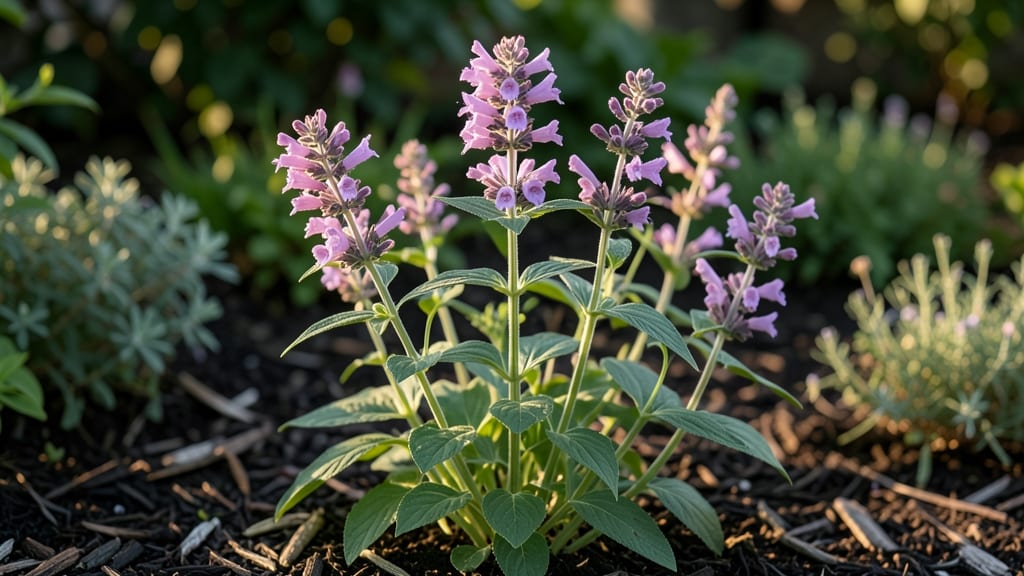
If you're planning your garden layout and wondering how tall does obedient plant grow, you're in the right place. This versatile perennial typically reaches 3 to 4 feet at maturity, but its height can vary dramatically depending on the variety and growing conditions.
Whether you're designing a pollinator-friendly border or a low-maintenance container garden, understanding its growth potential is key to creating a balanced space.
The obedient plant 🌿 is a garden favorite for its adaptability and striking flower spikes, but not all varieties grow the same. Some compact types like 'Little Obie' stay around 2 feet tall, making them perfect for front-of-border planting, while others can stretch toward 4 feet or more.
This height range means you can use it in everything from wildflower meadows to mixed perennial beds without overpowering smaller plants.
What really influences its height? Sunlight exposure, soil quality, and pruning habits all play a role. Too much shade might keep it shorter, while rich, moist soil can encourage taller growth.
The good news is that with just a little guidance, you can easily control its size to fit your garden vision. I'll show you exactly how to get the perfect height for your space.
Ready to make the most of this hardy perennial? Whether you're working with 6a zone conditions or simply want to maximize your planting window from April to May, these insights will help you create a thriving garden.
Let's dive into the details so you can confidently plan your obedient plant's place in your landscape.


Obedient plant height by variety: from compact to towering
The obedient plant (Physostegia) grows into a range of heights depending on the variety, with some staying as short as 18 inches while others reach 4 feet tall. This diversity makes it perfect for layered garden designs, from front borders to mid-height plantings.
The key to managing its height lies in choosing the right variety for your space and understanding its growth habits.
For example, 'Little Obie' stays compact at just 18-24 inches, while 'Obedient Giant' can soar to 3-4 feet. Even within similar heights, some varieties spread wider, while others grow taller but narrower. Knowing these differences helps you plan spacing and companion plants effectively.
Here’s how the most popular varieties compare in terms of mature height and growth habits:
When planning your garden, compare these heights to other plants. For instance, 'Little Obie' pairs beautifully with lavender (18-24 inches) or catmint (24-36 inches), while 'Obedient Giant' can stand tall behind daylilies (2-3 feet) or black-eyed Susans (2-3 feet).
If you’re using obedient plants in containers, opt for the shorter varieties (18-24 inches) to avoid top-heavy pots. Larger containers can accommodate taller varieties, but ensure they have enough root space to support their mature height and spread.
For a wildflower garden or pollinator-friendly meadow, mix heights by planting 'Little Obie' in the front, 'Summer Snow' in the middle, and 'Obedient Giant' at the back. This creates a natural, layered look that attracts bees and butterflies throughout the growing season.
Always check the specific variety’s tag for exact height ranges, as
Factors that influence obedient plant height (and how to control it)
The height of your obedient plant isn’t set in stone—it’s shaped by your growing conditions and care habits.
While genetics play a role, factors like sunlight exposure, soil quality, and pruning practices can push a compact variety like 'Little Obie' to grow taller—or keep a sprawling type like 'Vivid' in check. Understanding these variables helps you tailor your garden to the size you want.
For example, over-fertilizing can lead to leggy, weak stems, while poor drainage may stunt growth entirely. Even the time of year you plant can affect how quickly your obedient plant reaches maturity. Let’s break down the key factors and how to control them for the perfect height in your garden.
Sunlight is the biggest height regulator for obedient plants. While they thrive in partial shade, too much direct sun can stretch stems, making them grow 1-2 feet taller than expected.
If your variety tends to sprawl (like 'Sum and Substance'), provide morning sun and afternoon shade to keep it compact. Conversely, low-light conditions may result in shorter, bushier plants—ideal for container gardens.
Soil composition directly impacts root development, which in turn affects height. Well-draining, slightly acidic soil (pH 6.0-7.0) encourages robust growth, while clay-heavy or waterlogged soil can stunt your plant’s height.
Amend your soil with compost or peat moss to improve drainage and nutrient availability. A simple soil test can reveal if your garden bed needs adjustments before planting.
Pruning isn’t just for shaping—it’s a height-control tool. Cut back 1/3 of the plant’s height in early spring to encourage bushier, shorter growth. For varieties prone to flopping (like 'Pink Pinnacle'), deadhead spent blooms regularly to redirect energy into compact stems.
Avoid heavy pruning in fall, as this can reduce next year’s height potential.
Watering habits also play a surprising role. Consistent moisture (but not soggy soil) promotes steady growth, while drought stress can cause stunted height. In containers, obedient plants may grow 1 foot shorter than in-ground specimens due to root restriction. Use self-watering pots or mulch heavily to maintain even moisture levels.
Finally, fertilizer type and timing matter. A balanced 10-10-10 fertilizer applied in early spring encourages healthy growth without excessive height spikes. Avoid high-nitrogen fertilizers, which can lead to tall, weak stems prone to flopping. For container-grown plants, use half the recommended dose to prevent overgrowth.