
How To
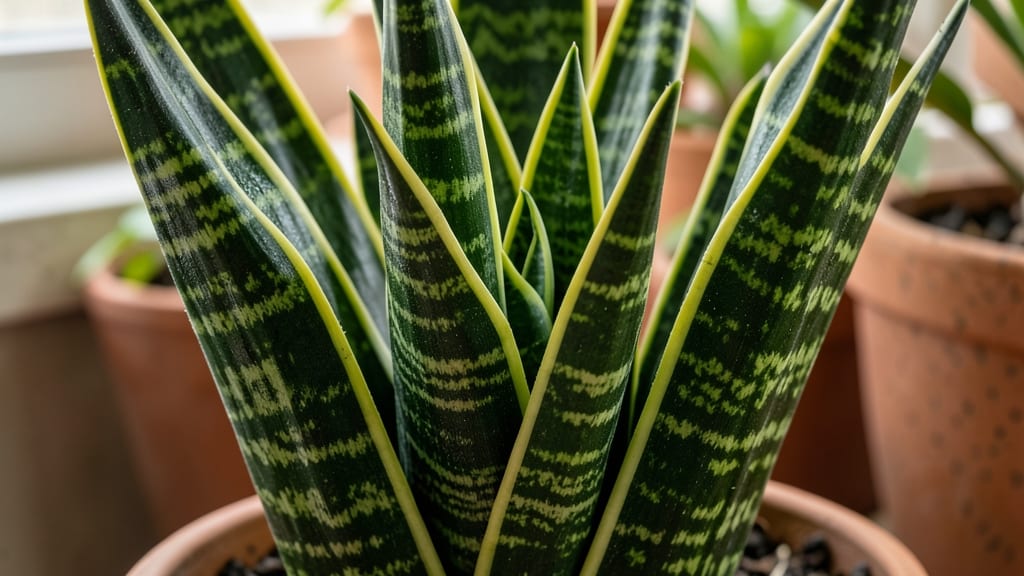
If you’ve ever glanced at your snake plant and wondered just how tall it could grow, you’re not alone. This hardy 🌱 can stretch surprisingly high—sometimes reaching 4 feet indoors with the right care.
But whether your plant stays compact or shoots toward the ceiling depends on more than just luck.
The answer isn’t one-size-fits-all, though. Some varieties, like the towering 'Futura Superba', lean toward the upper end of the spectrum, while others stay shorter and bushier. What you don’t want is a leggy, stretched-out plant that looks more like a sad stalk than a striking statement piece.
The good news? With a few simple tweaks—like light placement, pot size, and watering habits—you can steer your snake plant’s growth in the direction you prefer.
Let’s break down the realistic height ranges for common varieties, the factors that push your plant toward the sky (or keep it grounded), and how to avoid common mistakes that turn your snake plant into a vertical disaster.
By the end, you’ll know exactly how to nurture a plant that’s not just tall, but thriving.
Ready to unlock the secrets to controlling your snake plant’s growth? Whether you’re aiming for a countertop-friendly size or a dramatic floor plant, these insights will help you get the height—and the look—you want.


Snake plant height limits: indoor growth expectations by variety
Snake plants (Sansevieria trifasciata and related species) are famous for their vertical growth potential, but their mature height depends heavily on the variety and growing conditions. While some compact types stay under 2 feet, others can tower over 6 feet indoors with proper care.
Understanding these ranges helps you choose the right plant for your space and manage expectations for growth.
Most snake plants grow 1-2 feet per year under ideal conditions, but their final height varies dramatically. For example, the Futura Superba variety can reach 4-6 feet, while the Hahnii (Bird's Nest snake plant) maxes out around 1-2 feet.
These differences aren't just about genetics—they also depend on how you care for your plant.
Here’s a quick comparison to set your expectations: A standard snake plant in a 10-inch pot with bright light may hit 3-4 feet in 3-5 years, while the same plant in a smaller pot or low light might stay under 2 feet.
The key is balancing pot size, light exposure, and pruning habits to control height.
| Variety | Mature Height | Growth Rate | Best For |
|---|---|---|---|
| Sansevieria trifasciata 'Laurentii' | 3-4 ft | 1-2 ft/year | Medium spaces, bright rooms |
| Sansevieria 'Futura Superba' | 4-6 ft | 1.5-2 ft/year | Large rooms, tall ceilings |
| Sansevieria 'Hahnii' (Bird's Nest) | 1-2 ft | 6-12 in/year | Small spaces, shelves |
| Sansevieria 'Moonshine' | 2-3 ft | 8-12 in/year | Bright corners, modern decor |
| Sansevieria 'Zeylanica' | 1-2 ft (spreading) | 6-10 in/year | Bushy displays, ground cover |
If you’re working with limited ceiling height, varieties like 'Hahnii' or 'Zeylanica' are ideal because they grow horizontally rather than vertically. Meanwhile, 'Futura Superba' is perfect for statement pieces in rooms with high ceilings or open layouts.
Always check the leaf width too—some varieties like 'Laurentii' have wider leaves that can make the plant appear bulkier than its height suggests.
Another factor to consider is the pot's depth. Snake plants with deeper roots (like 'Futura Superba') need at least 12-inch pots to reach their full height potential. Shallow pots restrict root growth, which in turn limits vertical expansion.
For example, a 'Laurentii' in a 6-inch pot might only reach 2 feet, while the same plant in a 12-inch pot could hit 4 feet.
Light exposure plays a critical role too. Snake plants in low-light conditions (like north-facing rooms) grow taller and leggier as they stretch toward light sources. This is called etiolation, and it’s a common reason why indoor snake plants exceed expected height ranges.
To prevent this, place your plant within 3-5 feet of a bright, indirect light source (like an east- or west-facing window).
Pro tip: If you’re growing a
Snake plant height limits: indoor growth expectations by variety
Snake plants (Sansevieria trifasciata and varieties) are notorious for their vertical growth sprees, especially in ideal conditions. While most indoor snake plants reach 2 to 4 feet tall, some varieties like 'Futura Superba' can stretch toward 5 feet with perfect care.
Understanding your specific variety’s growth potential helps you plan space and light exposure effectively.
Outdoor snake plants often grow taller—up to 6 feet—thanks to abundant sunlight and space. However, indoors, height depends on genetics, care, and container size. For example, the 'Hahnii' variety (also called "Bird’s Nest") stays compact at 1 to 2 feet, making it perfect for small spaces.
Meanwhile, 'Laurentii' and standard 'Trifasciata' can easily hit 3 to 4 feet indoors.
📊 Height Comparison by Variety
| Variety | Indoor Height Range | Outdoor Height Range | Space Needs |
|---|---|---|---|
| Sansevieria trifasciata 'Laurentii' | 3–4 ft | 4–6 ft | Moderate (needs vertical space) |
| Sansevieria 'Futura Superba' | 4–5 ft | 5–7 ft | High (tall ceilings recommended) |
| Sansevieria 'Hahnii' | 1–2 ft | 2–3 ft | Low (compact, great for shelves) |
| Sansevieria 'Moonshine' | 2–3 ft | 3–4 ft | Moderate (spreading habit) |
If you’re growing a tall snake plant indoors, choose a variety that matches your ceiling height. For example, a 'Futura Superba' in a 10-foot room will thrive, but the same plant in a 7-foot apartment may become leggy and weak.
Always measure your space before selecting a variety to avoid disappointment.
Another factor influencing height is container size. Snake plants in small pots grow taller and thinner (a phenomenon called etiolation), while larger pots encourage bushier, shorter growth.
For optimal height control, use a pot that’s only 1–2 inches wider than the plant’s base. This prevents root-bound stress, which can lead to rapid vertical stretching.
Pro tip: Rotate your tall snake plant every 4–6 weeks to ensure even growth. This prevents lopsided stretching toward light sources like windows or grow lights. A well-balanced plant will grow straighter and stronger, reducing the risk of weak stems that can’t support its own weight.
🌱