
How To
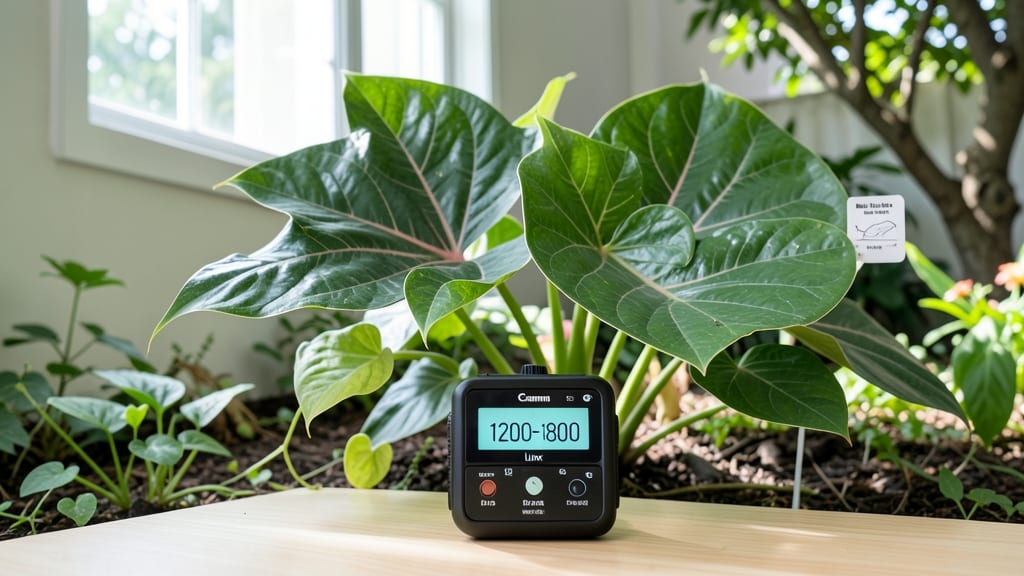
If you’re wondering how much light does an arrowhead plant need to look its best, the answer lies in striking the right balance—because too little or too much can leave your plant looking tired with droopy leaves or pale stems.
This easygoing houseplant thrives in bright indirect sunlight, but too much direct sun or too little light can send it into a downward spiral.
Most beginners struggle with this balance because their homes don’t always offer the perfect spot. The good news? With just a few adjustments—like rotating your plant or choosing the right window—you can transform its growth overnight.
I’ll show you exactly how to spot the signs of poor lighting and create the ideal conditions for lush, vibrant foliage.
Whether you’re dealing with a leggy plant reaching for more light or yellowing leaves from too much sun, understanding the nuances makes all the difference. Let’s break down the science behind arrowhead plant light needs and how to adapt as seasons change.
You’ll discover the best windows for placement, how to supplement natural light, and even how different varieties handle light differently. By the end, your arrowhead plant will be thriving—and you’ll feel like a pro at keeping it happy.

Ideal light requirements for arrowhead plants: bright indirect sunlight explained
Your arrowhead plant (Syngonium) thrives in bright indirect light, making it perfect for homes with gentle sunlight. Direct sun can scorch its delicate leaves, while too little light leads to leggy, pale growth.
The key is finding that sweet spot where your plant gets 4-6 hours of filtered sunlight daily—think of it as a morning sunbath without the harsh afternoon rays.
East-facing windows are ideal because they provide gentle morning light that gradually intensifies. If your home only has south-facing windows, place your arrowhead plant 3-4 feet away to avoid leaf burn. North-facing windows work too, but you may need to supplement with grow lights during shorter winter days.
Here’s how to spot lighting issues quickly: Yellowing leaves signal too much direct sun, while dark green, sparse foliage means it’s not getting enough light. Even drooping leaves can be a cry for better light conditions—your plant might be stretching toward a window.
Seasonal changes matter too. In summer, your arrowhead plant can handle a bit more light, but always filter it through a sheer curtain. During winter, when natural light dims, move it closer to the window or rotate it quarter-turns weekly to ensure even growth.
🌱 Pro Tip: Test your plant’s light spot by holding a piece of paper near it. If the shadows are sharp, it’s too direct. If they’re soft and diffuse, you’ve found the perfect balance!
Arrowhead Plant Light Requirements
| Light Condition | Ideal Placement | Signs of Stress | Solution |
|---|---|---|---|
| Bright Indirect Light | East/west-facing window, 2-3 ft away | Vibrant green leaves, compact growth | Perfect! No changes needed. |
| Direct Sunlight | South-facing window, no filter | Brown/yellow leaf tips, crispy edges | Move 3-4 ft away or use sheer curtain. |
| Low Light | North-facing window or corner | Leggy stems, pale leaves, slow growth | Rotate plant weekly or add grow light. |
| Fluorescent Light | Office or basement with bulbs | Stunted growth, weak stems | Use full-spectrum LED bulbs 6-8 hrs/day. |
If your arrowhead plant starts showing yellow leaves with brown edges, it’s likely getting too much direct sunlight. Move it immediately to a spot with filtered light or increase the distance from the window.
For pale, stretched leaves, your plant is begging for more light—try rotating it toward a brighter window or adding a grow light for 4-6 hours daily.
Another trick is to observe your plant’s growth pattern. Healthy arrowhead plants grow compact and bushy with arrow-shaped leaves pointing upward. If the leaves grow smaller and closer together, it’s happy.
But if they’re large and spaced far apart, it’s stretching for light—a sign to adjust its placement.
For beginners, I recommend starting with an east-facing window as the safest bet. If that’s not an option, a north-facing window with supplemental grow lights works too. Just avoid dark corners or spaces without any natural light—your arrowhead plant will thank you with lush, vibrant foliage all year round.
🌿 Remember: Arrowhead plants are adaptable, but they hate sudden changes. If you move it to a brighter spot, do it gradually over 1-2 weeks to avoid shocking the plant.
How to adjust your arrowhead plant’s light exposure for maximum growth
Adjusting your arrowhead plant’s light exposure is easier than you think—and it can make a world of difference in its growth. Start by rotating your plant quarter-turns every 2-3 weeks to ensure even light exposure.
This prevents one side from stretching toward the window while the other stays weak. I’ve found that even a simple rotation can stop those leggy stems from forming in just a few weeks.
If your home lacks natural light, especially in north-facing rooms or basements, consider supplementing with a grow light. A basic LED grow light placed 12-18 inches above your plant for 6-8 hours daily mimics natural sunlight.
I use a 10W bulb on a timer for my arrowhead during winter months, and it’s kept the leaves vibrant without burning them.
Sheer curtains are another game-changer for arrowhead plants. If your east- or west-facing window gets harsh afternoon sun, a light linen curtain diffuses the light just enough to prevent leaf scorch. I’ve seen arrowhead plants near south-facing windows thrive with this simple trick—no direct sun, just bright, filtered light.
- Rotate weekly to prevent uneven growth
- Use sheer curtains for direct sun protection
- Add a grow light for 6-8 hours daily in low-light areas
- Move 2-3 feet back from bright windows if leaves yellow
- Check for pests if new light causes stress (spider mites love dry air)
Watch for signs your plant needs more light: pale yellow leaves or stems stretching toward the window are clear indicators. In these cases, move your arrowhead closer to a bright, indirect light source—like a few feet from an east-facing window.
Conversely, if leaves turn brown or crispy, it’s getting too much direct sun. A simple adjustment of moving it back or adding a curtain can save your plant from damage.
Seasonal changes also affect light exposure. During winter months, days are shorter, and light is weaker. This is when I move my arrowhead to the brightest spot in my home, often near a south-facing window, and supplement with a grow light.
In summer, when sunlight is intense, I place it further back or use curtains to shield it from the midday heat.
Don’t forget to dust those leaves! Arrowhead plants with dusty foliage can’t absorb light efficiently. I wipe mine down every 2-3 weeks with a damp cloth, and it’s made a noticeable difference in their color and growth.
A little maintenance goes a long way in keeping your plant happy and healthy.